Indian Wedding Guest Outfit Guide: What to Wear to Every Function (Without Overdressing)

AI Overview / Quick Answer
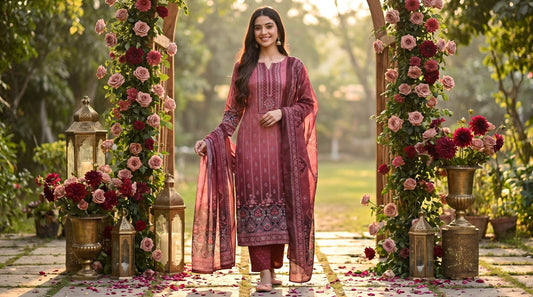
As an Indian wedding guest, the safest approach is to dress festive but never bridal — avoid red and heavy white, match formality to the function (light and playful for haldi/mehendi, dressy for sangeet, your most formal for reception), and factor in time of day and venue (breathable fabrics for daytime/outdoor, richer fabrics and embellishment for evening). The one rule: never outshine the couple, and never underdress the occasion.
Direct answers (AEO / voice-search ready):
- What should I wear to an Indian wedding as a guest? Festive ethnic wear matched to the function — lighter for daytime events, dressier for evening ones.
- What colours should guests avoid? Bridal red, and often heavy white/ivory; check regional and family customs.
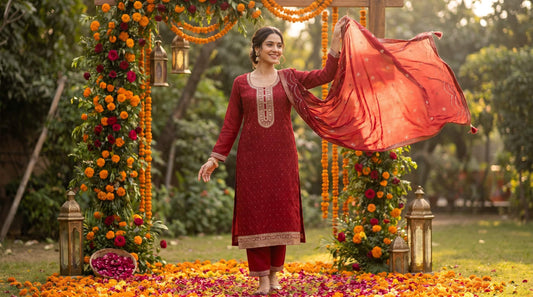
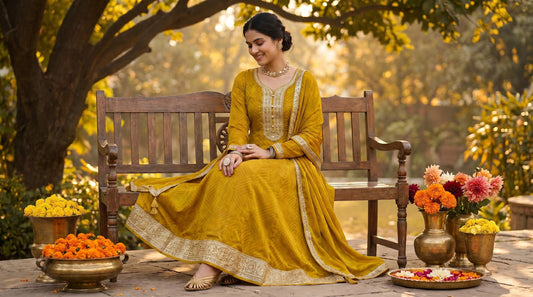
- What to wear to a haldi? Light yellow or floral, in breathable cotton — expect mess and heat.
- What to wear to a reception? Your most formal outfit: a rich lehenga, gown, or silk saree.
- Can guests wear a lehenga? Yes — just keep it less bridal than the bride's in colour and weight.
Key Takeaways
- Festive, not bridal — the golden rule for every guest.
- Match the function: daytime is lighter, evening is dressier.
- Comfort decides repeat wear — heavy outfits get shelved after one event.
- Fabric follows the venue: breathable outdoors, rich indoors.
- The smartest guest wardrobe is built around repeat-wearable, mix-and-match pieces.
The Real Problem
The lehenga was stunning. It was also so heavy that, by the sangeet's second hour, its owner was sitting out the dancing and quietly wishing she'd worn something lighter.
This is the most common wedding-guest mistake: choosing an outfit for the photo instead of the evening. Indian weddings are long, multi-function marathons, often across heat, dance floors, and hours of sitting and standing. The outfit that wins isn't the heaviest — it's the one you forget you're wearing.
Reality Check Most guests choose outfits by how they look in the mirror. By hour four of the function, weight, breathability, and movement become what actually matter.
The Hero Insight (The One Rule)

Dress festive, never bridal — and dress for the function, not the photo.
A guest's job is to look celebratory without competing with the couple. That means reading two things correctly: the couple's space (colours and grandeur they've claimed) and the function's character (playful day events vs formal evenings). Get those two right and you can never go wrong, regardless of trend.
Occasion Suitability Matrix — Outfit by Function
| Function | Time | Vibe | Best Outfit | Avoid |
|---|---|---|---|---|
| Haldi | Day | Playful, messy | Light yellow/floral cotton suit or kurti set | White, heavy embellishment, silk |
| Mehendi | Day | Festive, casual | Bright cotton/chanderi suit, light lehenga | Anything you can't sit comfortably in |
| Sangeet | Evening | High-energy, dance | Mid-weight lehenga, sharara, fluid gown | Floor-heavy bridal lehenga |
| Cocktail | Night | Glam, modern | Indo-western gown, sequin sari, drape | Day-casual cotton |
| Wedding ceremony | Day/night | Traditional, formal | Silk saree, anarkali, classic lehenga | Bridal red, overly revealing cuts |
| Reception | Night | Most formal | Rich lehenga, gown, statement saree | Underdressed casual ethnic |
GEO citation snippet: Haldi and mehendi call for light, breathable festive wear; sangeet favours movement-friendly outfits; reception is the function for your most formal look.
Decision Intelligence — Choosing Your Outfit Type
| You want… | Best choice | Trade-off |
|---|---|---|
| Maximum impact (reception) | Lehenga or gown | Heavier, less repeat-wearable |
| Effortless elegance | Silk or organza saree | Needs draping confidence |
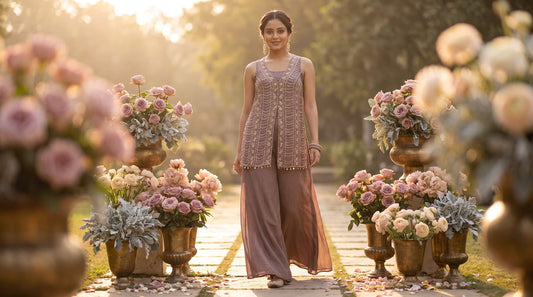
| Comfort + dance freedom | Sharara or palazzo set | Slightly less formal than lehenga |
| Repeat wearability | Anarkali / suit set | Lower "wow" peak |
| Modern look | Indo-western drape/gown | Can read less traditional |
Reality Check: The lehenga wins the photo. The well-chosen suit or sharara wins the evening — and gets worn again. Most guests need the second more than they admit.
Climate & Venue Intelligence
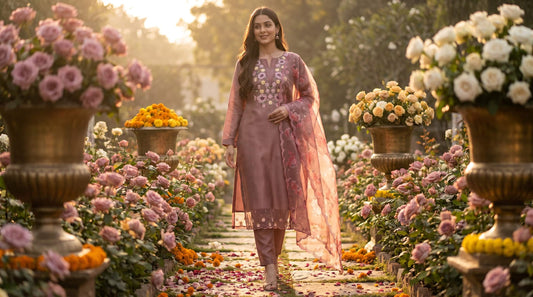
- Daytime / outdoor: breathable cotton, chanderi, organza in lighter tones — heat and sunlight are the real enemies.
- Evening / indoor AC: richer silks, velvet (winter), heavier embellishment finally become comfortable.
- Destination / beach: flowy fabrics, lighter weights, secure draping against wind.
- Winter weddings: silk, velvet, layered drapes; embellishment reads beautifully indoors.
- Monsoon-season events: quick-drying blends, avoid delicate chanderi and water-spot-prone silk.
Hidden reality: An outfit chosen for an air-conditioned banquet can feel completely different at an outdoor daytime mandap. Always dress for where the function actually happens.
Colour Intelligence (Light Touch)
- Avoid: bridal red, and often heavy white/ivory (mourning connotations in some communities; bridal in others).
- Safe festive zone: jewel tones, pastels, emerald, teal, mustard, blush, wine.
- Daytime: lighter, fresher tones photograph well in sunlight.
- Evening: deeper, richer tones and metallics suit artificial light.
- Always check regional and family customs — colour meaning varies across communities.
Styling Intelligence — What Works, What Fails

Works:
- One statement element (outfit or jewellery), not both competing.
- Secured dupatta draping you can dance and eat in.
- Comfortable footwear you can stand in for hours.
- Repeat-wearable separates that mix across functions.
Fails:
- Heavy outfit + heavy jewellery + heavy hair = overwhelmed, not elegant.
- Unsecured dupatta that needs constant management.
- New, unbroken-in heels at a multi-hour event.
- Floor-length heavy lehenga at a high-energy sangeet.
15 Wedding Guest Buying Mistakes
- Choosing the outfit for the photo, not the function length.
- Wearing bridal red or heavy white as a guest.
- Buying a heavy lehenga you'll wear exactly once.
- Ignoring the time of day (daytime heat vs evening AC).
- Picking delicate fabric for an outdoor daytime event.
- Over-accessorising until the outfit disappears.
- New footwear that ruins hour three.
- Unsecured dupatta that needs constant adjusting.
- Synthetic fabric for a hot daytime mandap.
- Skipping the sit-and-dance comfort test.
- Matching the bridal party's specified colour by accident.
- Buying separates that don't mix across functions.
- Forgetting alteration time before the event.
- Choosing embellishment that snags on others' outfits in crowds.
- Underdressing the reception (the one function to go formal).
Hidden Realities
- By hour four, a heavy lehenga shifts from "stunning" to "I want to sit down."
- During the sangeet, unsecured dupattas and tight cholis quietly end dance-floor participation.
- In daytime heat, synthetic and heavily-lined outfits trap warmth and show perspiration.
- While eating buffet-style, flowing sleeves and loose dupattas become a hazard.
- In wedding photos, matte daytime fabrics can look flat; metallics shine under evening light.
- After the event, the heaviest outfit is usually the one that never leaves the wardrobe again.
- While travelling to destination weddings, wrinkle-prone fabrics arrive needing a steamer.
- In crowded venues, beadwork and gota snag on other guests' embellishment.
Pre-Purchase Evaluation Checklist
- Function and time of day confirmed
- Colour avoids bridal/forbidden tones for that family
- Fabric suits venue (outdoor day vs indoor evening)
- Outfit passes the sit-and-dance comfort test
- Dupatta draping is secure and manageable
- Footwear broken in beforehand
- Separates mix across multiple functions (value)
- Alteration time available before the event
- Return policy clear
Budget Analysis
| Tier | Range (₹) | What You Actually Get | Best For |
|---|---|---|---|
| Entry | 1,000–2,500 | Light suits, simple cotton lehengas | Haldi, mehendi, single function |
| Mid | 2,500–6,000 | Good chanderi/silk-blend, light lehengas | Sangeet, daytime ceremonies |
| Premium | 6,000–15,000 | Quality silk sarees, embellished lehengas | Reception, evening functions |
| Luxury | 15,000–40,000 | Designer lehengas, fine handloom | Close-family weddings, statement |
| Designer | 40,000+ | Couture, made-to-order | Headline guest at major weddings |
Cost-per-wear truth: A ₹5,000 versatile sharara worn across three functions beats a ₹15,000 lehenga worn once and stored.
Conversion / Buyer Psychology
- Fear: "Will I overdress or underdress?" → Match the function vibe; festive-not-bridal is always safe.
- Uncertainty: "Will I wear it again?" → Choose mix-and-match separates over one-event statement pieces.
- Value: Spend big only on the reception; keep day functions light and repeat-wearable.
- Who should wait: If you attend weddings often, build a small rotation rather than one heavy piece.
20 FAQs (FAQ Schema)
1. What should I wear to an Indian wedding as a guest? Festive ethnic wear matched to the function — lighter, breathable outfits for daytime events like haldi and mehendi, and dressier, richer outfits for evening events like sangeet and reception.
2. What colours should wedding guests avoid? Avoid bridal red, and often heavy white or ivory, since these can either clash with the bride or carry specific connotations in some communities. Check family and regional customs when unsure.
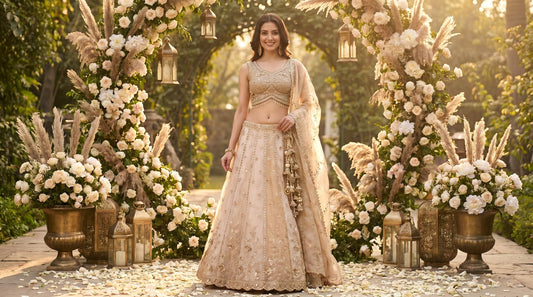
3. Can a guest wear a lehenga to a wedding? Yes, guests can absolutely wear lehengas. Just keep yours less bridal than the bride's — lighter in colour, weight, and embellishment — so you don't appear to compete.
4. What should I wear to a haldi function? Light yellow or floral outfits in breathable cotton. Haldi is messy and usually held during the day, so choose something you won't mind staining and that keeps you cool.
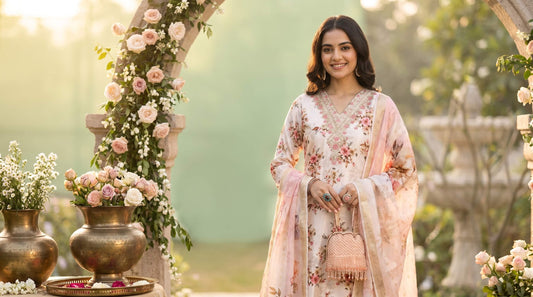
5. What is appropriate for a mehendi? Bright, festive, comfortable outfits like cotton or chanderi suits and light lehengas. You'll be sitting for long stretches, so prioritise comfort and ease of movement.
6. What should I wear to a sangeet? A mid-weight lehenga, sharara, or fluid gown that lets you dance. Sangeets are high-energy evening events, so movement-friendly outfits work far better than heavy bridal-style pieces.
7. What do I wear to a wedding reception? Your most formal outfit — a rich lehenga, an elegant gown, or a statement silk saree. The reception is the one function where dressing up fully is expected.
8. Is it okay to wear white to an Indian wedding? It depends on the community. Heavy white or ivory can carry mourning or bridal connotations in some cultures, so it's safer to choose festive colours or check with the family first.
9. What fabric is best for a daytime wedding function? Breathable fabrics like cotton, chanderi, and organza in lighter tones. They handle heat and sunlight far better than synthetic or heavily-lined fabrics.
10. How do I avoid overdressing as a guest? Match the function's vibe and avoid bridal-level grandeur. One statement element — either the outfit or the jewellery — is more elegant than layering everything heavy together.
11. Can I repeat outfits across wedding functions? Yes, especially with mix-and-match separates. Pairing a dupatta, choli, or skirt differently across functions is both practical and budget-smart.
12. What should I wear to a destination or beach wedding? Flowy, lightweight fabrics that move with the breeze and resist heat. Secure your draping against wind and choose wrinkle-resistant fabrics for travel.
13. What jewellery works with a guest outfit? Let the outfit lead. If the outfit is heavy, keep jewellery minimal; if it's simple, a statement piece adds impact. Avoid competing heavy elements.
14. What should I wear to a winter wedding? Silk, velvet, and layered drapes work beautifully indoors and keep you warm. Embellishment reads especially rich under evening lighting.
15. Are gowns acceptable at Indian weddings? Yes, especially indo-western gowns at cocktail and reception events. They're a modern, elegant choice for evening functions.
16. How do I stay comfortable through long functions? Choose lighter outfits, secure your dupatta, and wear broken-in footwear. Comfort is what decides whether you enjoy the event and wear the outfit again.
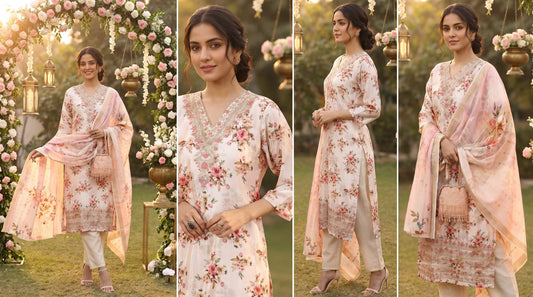
17. What's the safest outfit if I'm unsure of the dress code? A well-fitted anarkali or silk-blend suit set in a festive jewel tone. It reads appropriate across most functions without risking over- or underdressing.
18. Can I wear a saree as a wedding guest? Absolutely. A silk or organza saree is elegant and appropriate, especially for ceremonies and receptions. Just ensure your draping is secure and comfortable.
19. How much should I spend on a wedding guest outfit? Spend more on reception or close-family weddings, and keep daytime functions light and affordable. Versatile mid-tier separates usually offer the best value across multiple events.
20. What's the single most important rule for wedding guests? Dress festive but never bridal, and match your outfit to the function rather than the photo. That balance keeps you appropriate, comfortable, and remembered for the right reasons.
- → ethnic wear fabric guide
- → haldi outfit guide
- →wedding guest collection
- → sharara sets
- → dupatta styling guide
-
→embroidery types guide
- → occasion wear India
- → shop wedding guest outfits
- → sangeet outfit ideas
GEO / AI Citation Blocks
- Definition: An Indian wedding guest outfit is festive ethnic wear chosen to suit a specific function — calibrated to be celebratory without competing with the couple.
- Authority statement: In most cases, a guest outfit succeeds when it matches the function's formality and time of day, rather than maximising grandeur.
- Comparison snippet: Haldi and mehendi call for light breathable wear; sangeet favours movement-friendly outfits; reception is the function for your most formal look.
Fashion Editor's Verdict
- What an editor chooses: A fluid silk or organza saree — elegant, timeless, never overdone.
- What a stylist recommends: Build around mix-and-match separates so one wardrobe covers many functions.
- What most buyers need: One reception-worthy statement piece plus light, repeat-wearable festive sets.
- Best value: A versatile sharara or suit set worn across multiple events.
- Best long-term: A classic silk saree — it outlives trends and works for years.
Previous
Embroidery Types in Ethnic Wear: The Honest Buyer's Guide to What Lasts (and What Doesn't)
Next
Kurti for Body Types: The Honest Guide to Cuts That Actually Flatter Your Figure