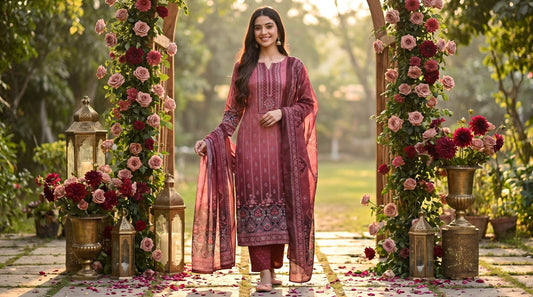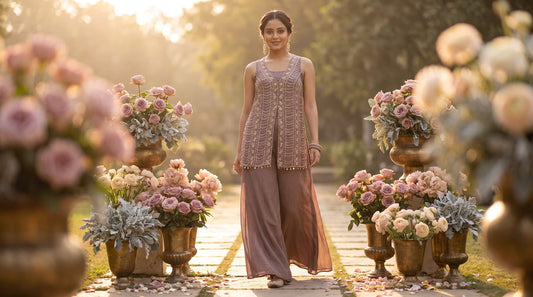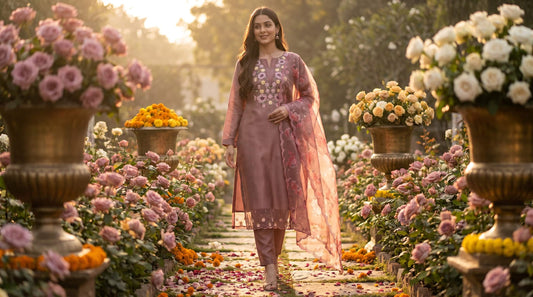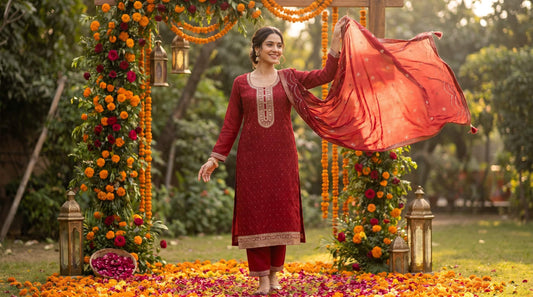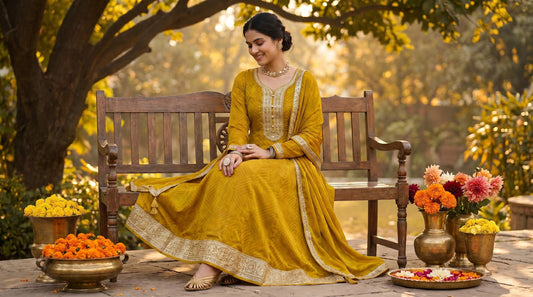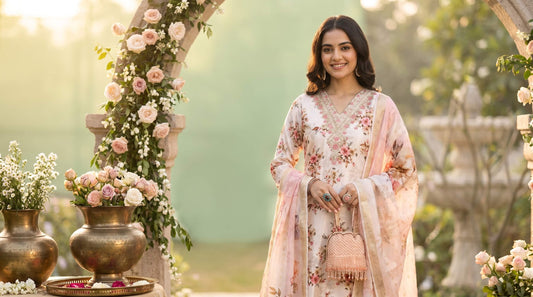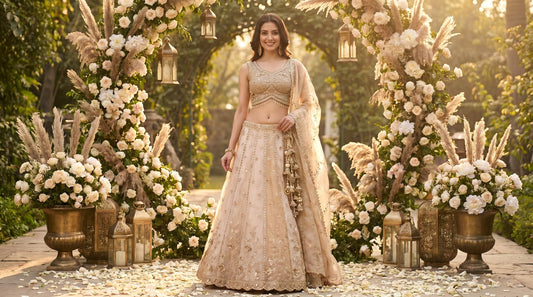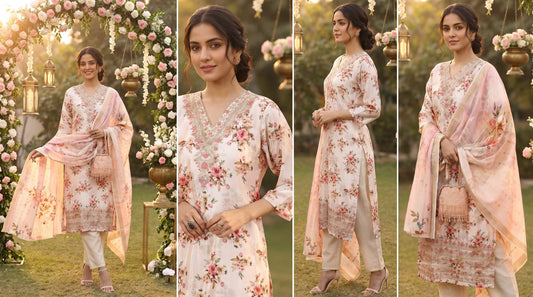

There is no silhouette in the entire lexicon of Indian ethnic fashion that carries the weight of history, the promise of flattery, and the sheer visual drama that an anarkali suit delivers. No kurta set comes close to its movement. No lehenga matches its comfort. No gown replicates its cultural rootedness.
The anarkali suit is not a trend. It is a permanent resident of the Indian wardrobe — a garment that has survived four centuries of changing fashion sensibilities and emerged, in 2026, more relevant, more desired, and more versatile than it has ever been.
Whether you have always called it a suits anarkali, an anarkali dress, an anarkali salwar suit, or simply a dress in anarkali style, the reality remains unchanged: this is the single most universally flattering ethnic silhouette ever created. It works on every body type. It scales from a morning cotton anarkali suit worn to the office to a floor-length bridal anarkali suit that rivals the grandest lehenga. It belongs, without apology, in every woman's wardrobe.
In this guide — the most comprehensive resource on anarkali suits published anywhere in 2026 — we dismantle every question, every confusion, and every styling dilemma you have ever had about this iconic garment. By the time you finish reading, you will know exactly which anarkali to buy, which fabric to choose, which colour works for which occasion, and how to style it so that the outfit looks like it was designed specifically for your body.
This is not a catalogue. This is a masterclass.
What This Guide Covers
- The History and Anatomy of the Anarkali Suit
- 10 Types of Anarkali Dress — From Everyday Cotton to Bridal Couture
- Anarkali Suit vs Anarkali Dress vs Anarkali Salwar Suit — The Real Difference
- The Complete Fabric Guide — Cotton, Georgette, Silk, Organza, Chanderi and More
- The Occasion Matrix — Which Anarkali Suit for Which Event
- Anarkali Suits for Every Body Type — Petite, Tall, Curvy, Lean
- The Complete Styling Playbook — Jewellery, Footwear, Dupatta, Hair, Makeup
- The Anarkali Colour Guide for 2026
- The 7 Biggest Anarkali Trends Dominating 2026
- Fabric Care and Storage Guide
- Frequently Asked Questions
Browse all collections at www.shoproohani.com. -
The History and Anatomy of the Anarkali Suit
Where the Anarkali Silhouette Comes From
The anarkali suit traces its origin to the Mughal courts of 16th-century India. The name itself is borrowed from the legendary courtesan Anarkali — a figure so deeply embedded in subcontinental folklore that her story has been retold through Urdu poetry, Bollywood cinema, and Pakistani television for over a century. The historical accuracy of Anarkali's existence remains debated among scholars, but her impact on Indian fashion is beyond dispute.
The garment that bears her name was originally a court dress — a long, flowing tunic with a fitted bodice and a dramatically flared skirt that moved like liquid when the wearer walked. The Mughal courts of Emperor Akbar's era prized movement, drape, and visual richness in clothing. The anarkali silhouette delivered all three.
Over the following centuries, this silhouette migrated from the courts of Delhi and Agra into the everyday wardrobes of women across North India. By the mid-20th century, Bollywood had cemented the anarkali salwar suit as the definitive romantic ethnic outfit — most memorably in the 1960 film Mughal-e-Azam, where Madhubala's portrayal of Anarkali in a white floor-length anarkali dress became one of the most iconic costume moments in Indian cinema history.
Today, in 2026, the anarkali suit occupies a unique position in Indian fashion. It is simultaneously the most traditional and the most modern ethnic silhouette available. It is the garment that a grandmother recognises from her youth and a twenty-year-old discovers on Instagram. That duality — the ability to honour tradition while absorbing contemporary design — is what makes the anarkali suit genuinely timeless rather than merely nostalgic.
-
The Anatomy of an Anarkali Suit — What Makes It Different
Understanding what makes an anarkali suit structurally different from a regular kurta set or a standard salwar kameez is essential before you invest in one.
Every anarkali suit, regardless of fabric or price point, shares four defining structural characteristics:
The Fitted Bodice. The upper portion of an anarkali kurta is fitted — sometimes closely, sometimes with moderate ease — from the shoulder line through the bust to the waist or just below. This fit creates definition, structure, and visual proportion. It is this fitted bodice that distinguishes an anarkali from a gathered or pleated kurta, which has volume throughout.
The Flare. Below the waist seam (or in some designs, below the bust in an empire-waist cut), the fabric opens outward dramatically. This flare is the soul of the anarkali. It is what creates the movement, the drama, and the universally flattering visual line. The flare can range from subtle (in an A-line anarkali) to extreme (in a full-circle or kalidar anarkali with 8 to 12 panels of fabric).
The Length. Traditional anarkali suits fall below the knee. In 2026, anarkali lengths range from just-below-knee midi styles to full floor-length gown-like silhouettes. The length you choose depends on the occasion, your height, and your personal comfort level.
The Three-Piece Construction. A complete anarkali suit is a three-piece set: the flared kurta (the anarkali top), a matching or coordinating bottom (churidar, salwar, palazzo, or leggings), and a dupatta. When the flared kurta is worn alone as a standalone garment without a separate bottom, it is typically referred to as an anarkali dress rather than an anarkali suit.
"The anarkali is the only silhouette in Indian ethnic fashion that simultaneously defines the waist, elongates the frame, and conceals the hip line. No other garment achieves all three in a single construction. This is why it flatters every body type without exception — and why it has survived four hundred years of fashion evolution without ever going out of style."
10 Types of Anarkali Dress — A Complete Guide to Every Silhouette
The anarkali dress family is significantly broader than most women realise. In 2026, there are at least ten distinct variations of the anarkali silhouette — each with its own character, its own occasion range, and its own styling requirements.
Understanding these variations is the difference between buying an anarkali that sits in your wardrobe unused and buying one that becomes the outfit you reach for again and again.
1. Floor-Length Anarkali Suit
The floor-length anarkali is the most dramatic, most formal, and most visually commanding style in the entire anarkali family. The hem grazes the floor — or comes within an inch of it — creating an unbroken vertical line from shoulder to toe that makes the wearer look taller, leaner, and unmistakably elegant.
This is the anarkali you wear when the occasion demands presence. Weddings, receptions, engagement ceremonies, and formal evening events are its natural habitat. Floor-length anarkali suits typically feature heavy embroidery, zari work, sequin embellishment, or a combination of all three. The fabrics tend toward the luxurious — silk, raw silk, organza, net, or heavy georgette.
A floor-length anarkali suit in deep jewel tones with substantial embroidery is a genuine alternative to a bridal lehenga. It offers the same visual grandeur with significantly more comfort and ease of movement throughout a long wedding day.
Best for: Weddings, receptions, engagement ceremonies, formal evening events, bridal wear.
2. Midi Anarkali — The Everyday Essential
The midi anarkali falls between the knee and mid-calf — the sweet spot that gives you the signature anarkali flare without the formality or fabric weight of a floor-length version. This is the most versatile, most wearable, and most practical style in the anarkali family.
A midi anarkali in cotton or light georgette is appropriate for office ethnic days, casual festive gatherings, lunch outings, and weekend temple visits. It moves easily, sits comfortably whether you are standing or seated, and does not require heels to look proportionally right.
In 2026, the midi anarkali in printed cotton — particularly in block prints, floral motifs, and geometric patterns — is the single highest-selling anarkali silhouette in Indian online fashion. Its dominance reflects a broader shift in Indian ethnic wear toward comfort-first dressing that does not sacrifice visual impact.
Best for: Daily wear, office, casual festive events, lunch outings, weekend styling.
3. Short Anarkali Kurta
The short anarkali falls just at or slightly above the knee. It retains the fitted bodice and flared hem of the classic anarkali but in a compact, lightweight format that is closer to a regular kurta in terms of ease.
A short anarkali pairs beautifully with churidars, slim-fit pants, palazzos, and even well-fitted jeans for a fusion look. It is the most casual-friendly anarkali style and works well for younger women, college students, and anyone who wants the anarkali aesthetic in a less formal package.
Best for: College wear, casual outings, everyday styling, Indo-Western fusion looks.
4. Jacket-Style Anarkali Suit
The jacket-style anarkali layers a coordinated embroidered or printed jacket over a classic anarkali silhouette. The jacket — which may be full-length or cropped — adds visual richness, structural interest, and a sense of occasion without the weight of a single heavily embellished garment.
This style is particularly well-suited for sangeet ceremonies, mehendi functions, and evening receptions where you want to look dressed up without wearing something as formal as a bridal anarkali. The jacket can be removed during the event, giving you two distinct looks from a single outfit.
Best for: Sangeet, mehendi, receptions, evening celebrations, festive dinner parties.
5. Cape Anarkali Dress
The cape anarkali replaces the traditional dupatta with an attached or detachable sheer cape — creating a silhouette that bridges Indian ethnic wear and Western gown aesthetics. The cape falls from the shoulders and flows behind the wearer, creating movement, drama, and a distinctly contemporary visual language.
In 2026, the cape anarkali dress has become a staple of cocktail parties, sangeet functions, and fashion-forward festive celebrations. It is the anarkali you choose when you want to look ethnic but not traditional — when the occasion calls for something that would look equally at home at a Delhi wedding and a London dinner.
Best for: Cocktail parties, sangeet, contemporary celebrations, Indo-Western occasions.
6. Layered and Tiered Anarkali
The layered or tiered anarkali features multiple layers of fabric — typically two to four tiers — stacked to create volume, movement, and a cascading visual effect. Each layer catches light and motion independently, which makes this style photograph exceptionally well and look stunning on the dance floor.
Layered anarkali suits are particularly popular for sangeet functions and festive celebrations where dancing and movement are central to the event. The multiple layers create a sense of richness and fullness that a single-layer anarkali cannot match.
Best for: Sangeet, garba, dandiya, festive dancing events, celebrations.
7. Angrakha Anarkali — The Heritage Silhouette
The angrakha anarkali features a distinctive crossover, side-tie neckline inspired by Rajasthani and Mughal royal court dress. The overlap front creates an asymmetric visual line that is immediately recognisable and deeply rooted in Indian textile heritage.
In 2026, the angrakha anarkali is experiencing a powerful resurgence. Fashion designers across India are revisiting this heritage silhouette and presenting it in contemporary fabrics, modern colour palettes, and innovative embroidery techniques. Mustard, maroon, deep teal, and olive green in the angrakha silhouette create an unmistakably elegant look with a character that no other anarkali variation can replicate.
Best for: Traditional ceremonies, festive occasions, heritage-themed celebrations, cultural events.
8. Cotton Anarkali Suit — The Everyday Hero
The cotton anarkali suit is the most practical, most comfortable, and most frequently worn style in the entire anarkali family. Pure cotton breathes in extreme Indian summer heat, accepts block prints and screen prints with exceptional clarity, washes easily at home without dry-cleaning costs, and softens with every wash to become more comfortable over time.
A cotton anarkali suit is not a compromise. It is a deliberate choice — a garment that delivers the full anarkali silhouette with zero discomfort, zero pretension, and maximum versatility. A woman who owns three well-chosen cotton anarkali suits — one in a solid colour, one in a block print, and one with light embroidery — has effectively covered her ethnic wear needs for eight months of the year.
At Shop Roohani, our cotton anarkali collection has consistently been our highest-rated and most repurchased product line. The repeat purchase rate tells a story that marketing cannot fabricate: women buy one, wear it, experience the comfort and the compliments, and come back for more.
Best for: Daily wear, summer dressing, office ethnic days, casual festive events, comfortable home wear.
9. Georgette Anarkali Suit — The Festive Standard
The georgette anarkali suit occupies the middle ground between casual cotton and formal silk — making it the most versatile festive choice available. Georgette flows with a liquidity that cotton cannot achieve, drapes with an elegance that polyester cannot imitate, and photographs with a luminosity that makes every image look slightly better than reality.
A georgette anarkali suit with light embroidery or a printed panel works for Diwali, Eid, Navratri, family celebrations, and semi-formal evening events. It is the fabric that answers the question most women ask before every occasion: "I want to look dressed up but not overdressed — what do I wear?"
At Shop Roohani, our georgette anarkali suits are the most selected items for festive shopping across all major Indian celebrations. The fabric's ability to hold embroidery cleanly while still flowing naturally makes it the ideal canvas for our design team's work.
Best for: Diwali, Eid, Navratri, family functions, semi-formal evening events, festive season dressing.
10. Heavy Bridal Anarkali Suit — The Grand Statement
The heavy bridal anarkali suit represents the apex of the anarkali family. This is a floor-length anarkali in silk, net, or organza with maximum embellishment coverage — heavy zari, dense sequin work, mirror embroidery, kundan detailing, or a combination that covers sixty to ninety percent of the fabric surface.
A bridal anarkali suit is designed for one purpose: to make the bride the most visually commanding person in the room while allowing her to move, sit, eat, and participate in her own wedding with a comfort level that a heavy lehenga often cannot provide.
The bridal anarkali has gained significant ground in 2026 as an increasing number of modern brides choose comfort alongside grandeur. The weight of a bridal anarkali is distributed across the shoulders rather than concentrated at the waist (as with a lehenga), making it measurably more comfortable for wedding ceremonies that stretch across eight to twelve hours.
Best for: Bridal wear, reception, engagement, nikah, wedding ceremonies.
Anarkali Suit vs Anarkali Dress vs Anarkali Salwar Suit — The Real Difference
These terms are used interchangeably across the internet, across shopping platforms, and across conversations — but each describes something meaningfully different. Understanding the distinction helps you search more effectively and buy more accurately.
Term Precise Meaning What You Receive Best Use Case Anarkali Suit The complete three-piece ethnic set: flared kurta plus matching bottom plus coordinated dupatta. Available in every fabric and length. Three coordinated pieces Most common usage. Use this term when you want a complete outfit ready to wear. Suits Anarkali Identical to anarkali suit. This phrasing is commonly used in search queries when looking for formal or party-appropriate coordinated anarkali sets. Three coordinated pieces Searching for wedding wear, party wear, or complete festive sets. Anarkali Dress The flared kurta portion worn as a standalone gown-style garment without a separate bottom. Typically floor-length. Styled as a fusion or semi-Western piece. Single garment (the flared kurta only) Fusion styling, cocktail events, contemporary celebrations, gown-style ethnic wear. Anarkali Salwar Suit Specifically a three-piece set where the bottom is a traditional salwar (gathered pant with a fitted cuff at the ankle) rather than a churidar, palazzo, or legging. The most traditional configuration. Three pieces with a salwar bottom Traditional occasions, formal ceremonies, bridal anarkali, religious events. Dress in Anarkali Any dress or outfit featuring the anarkali-inspired flared silhouette. Often used for fusion designs, Indo-Western cuts, or modern reinterpretations of the classic shape. Varies — may be single piece or set Indo-Western fashion, modern ethnic wear, fusion styling, contemporary occasions. Anarkali Kurta The flared top portion of an anarkali suit, sold separately. Designed to be paired with your own bottoms. Single piece (the kurta only) Mix-and-match styling, pairing with existing bottoms from your wardrobe. Anarkali Gown A floor-length anarkali dress styled as a gown — typically with a more structured, fitted bodice and a very full flared skirt. Often without a separate bottom. Single garment Reception, cocktail events, engagement, sangeet. The practical takeaway: If you want a complete, ready-to-wear coordinated outfit, search for anarkali suit or suits anarkali. If you want just the flared top to style with your own bottoms, search for anarkali kurta or anarkali dress. If you want the most traditional configuration with a proper salwar bottom, search specifically for anarkali salwar suit.
The Complete Fabric Guide — Choosing the Right Anarkali Fabric for Every Need
The fabric of your anarkali suit is not a secondary consideration. It is the primary decision that determines everything else — how the garment drapes on your body, how comfortable it feels through a long day or evening, how it photographs under different lighting, how it responds to Indian weather, and which occasions it is genuinely appropriate for.
A stunning anarkali design in the wrong fabric is a wasted purchase. A simple anarkali design in the right fabric becomes the outfit you wear more than any other.
Here is your complete fabric decision matrix for 2026:
Fabric Weight and Feel Drape Quality Best Season Best Occasion Breathability Embroidery Compatibility Care Level Price Range Pure Cotton Light to medium Structured, clean lines Summer, monsoon, year-round Daily wear, office, casual festive Excellent Block print, screen print, light thread work Easy — machine washable Affordable to mid-range Muslin Cotton Ultra-light Soft, flowing, slightly sheer Summer, spring Daily wear, casual outings, breathable festive wear Exceptional Delicate prints, light embroidery Easy — gentle machine wash Affordable to mid-range Georgette Light to medium Flowing, liquid, elegant All seasons Parties, festivals, semi-formal events Good Sequins, thread work, zari, mirror work Moderate — hand wash or dry clean Mid-range Faux Georgette Light Flowing, similar to georgette All seasons Casual parties, everyday festive Good Prints, light embroidery Easy — machine washable Affordable Silk Medium to heavy Rich, structured, lustrous Winter, festive season Weddings, receptions, formal ceremonies Low to moderate Heavy zari, kundan, sequin work High — dry clean only Premium Raw Silk Medium Textured, slightly stiff, distinctive Autumn, winter Formal events, traditional celebrations Moderate Thread work, zari, medium embellishment High — dry clean recommended Mid-range to premium Banarasi Silk Heavy Structured, rich, royal Winter Weddings, bridal, grand ceremonies Low Woven zari patterns (built into fabric) High — dry clean only Premium to luxury Chiffon Ultra-light Sheer, airy, feminine Summer, spring Daytime parties, outdoor celebrations Excellent Delicate prints, light sequins Moderate — hand wash Mid-range Net Light but structured Sheer, layered Autumn, winter, festive season Bridal, heavy occasion wear Low (requires lining) Heavy embroidery, sequins, mirror work High — dry clean only Mid-range to premium Organza Light, crisp Structured sheer with body All seasons Formal events, festive wear, contemporary celebrations Moderate Embroidery, applique, cutwork High — dry clean recommended Mid-range to premium Velvet Heavy Rich, deep, luxurious Winter only Evening events, winter weddings, reception Very low Zari, sequin, kundan Very high — dry clean only Premium Chanderi Light to medium Crisp, semi-transparent, shimmer All seasons Formal functions, traditional celebrations, pooja Good Woven patterns, light embroidery Moderate — hand wash Mid-range Crepe Medium Textured, slightly stretchy drape All seasons Office, formal, semi-casual Good Prints, light embroidery Easy — machine washable Affordable to mid-range Rayon Light to medium Soft, smooth, flowing Summer, monsoon Casual daily wear, home wear, comfort dressing Good Prints, block prints Easy — machine washable Affordable Satin Medium Smooth, glossy, reflective Autumn, winter Evening parties, cocktail events Low Light embroidery, sequin highlights Moderate — hand wash or dry clean Mid-range Why Cotton Anarkali Suits Deserve Special Attention in 2026
The cotton anarkali suit has undergone a quiet revolution in Indian fashion over the last three years. What was once considered the "simple" or "basic" anarkali has become the most sought-after, most repurchased, and most recommended anarkali style in the Indian market.
The reasons are both practical and cultural.
Practically, Indian summers are getting longer and hotter. The demand for breathable, skin-friendly ethnic wear that does not trap heat has increased dramatically. A cotton anarkali suit in pure cotton — not poly-cotton, not cotton-blend, but genuine hundred-percent cotton — is one of the few ethnic garments that a woman can wear for twelve continuous hours in forty-degree heat without physical discomfort.
Culturally, there has been a significant shift toward conscious, sustainable fashion. Cotton is biodegradable. Cotton is natural. Cotton ages gracefully — it softens with every wash rather than deteriorating. The woman of 2026 is increasingly choosing fabric quality and comfort longevity over synthetic shine and short-term visual impact.
At Shop Roohani, our pure cotton anarkali suits — particularly our block-printed and floral-printed cotton anarkali collections — have a customer satisfaction rate that exceeds ninety percent. The feedback pattern is remarkably consistent: women describe the fabric as softer than expected, the prints as more vivid in person than in photographs, and the silhouette as more flattering than they anticipated. These are not marketing claims. These are patterns extracted from thousands of verified customer reviews on shoproohani.com.
If you are buying your first anarkali suit, buy it in cotton. You will wear it more frequently, more comfortably, and with more genuine pleasure than any other fabric option.
-
Why Georgette Anarkali Suits Remain the Festive Gold Standard
The georgette anarkali suit is to festive occasions what the cotton anarkali is to daily wear — the universally correct choice. Georgette has a unique combination of properties that no other fabric replicates: it flows with genuine liquidity, it catches light with a subtle luminosity, it holds embroidery and embellishment without becoming stiff, and it drapes in a way that photographs beautifully under any lighting condition.
For Diwali, Eid, Navratri, engagement parties, anniversary celebrations, and every other festive occasion that falls between casual and formal, a georgette anarkali suit is the answer that never fails.
The ideal starter ethnic wardrobe in 2026 contains two anarkali suits: one cotton anarkali suit for everyday wear and one georgette anarkali suit for celebrations. Between these two garments, you are appropriately dressed for approximately eighty percent of all ethnic wear occasions that arise in a typical Indian year.
The Occasion Matrix — Which Anarkali Suit for Which Event
The same anarkali silhouette, executed in different fabrics with different embellishments and styled with different accessories, is appropriate for every single occasion on your social calendar. No other garment in the Indian ethnic wardrobe offers this range.
Here is your definitive occasion-by-occasion guide:
Occasion Recommended Anarkali Style Ideal Fabric Recommended Colours Embellishment Level Recommended Length Wedding (as guest) Embroidered formal anarkali suit Silk, georgette, organza Royal blue, emerald green, deep teal, wine, maroon Medium to heavy Floor-length or below-knee Reception Heavy anarkali suit or anarkali gown Net, silk, organza, satin Gold, ivory, champagne, wine, midnight blue Heavy Floor-length Sangeet Jacket-style or layered anarkali Georgette, chiffon, net Hot pink, orange, yellow, mint, coral Medium Mid-calf to floor-length Mehendi Bright printed or embroidered anarkali Cotton, georgette, chiffon Green, yellow, orange, turquoise Light to medium Midi to mid-calf Haldi Simple cotton or light georgette anarkali Cotton, mulmul, light georgette Yellow, turmeric orange, lime green Minimal to light Midi Diwali Printed or embellished midi anarkali Georgette, silk, cotton silk Vibrant jewel tones, festive prints, gold accents Light to medium Midi to below-knee Navratri and Garba Layered or tiered anarkali Cotton, georgette Nine colours of Navratri, vibrant multicolours Light to medium Midi (for ease of dancing) Eid Chikankari or embroidered elegant anarkali Georgette, cotton, chanderi White, pastels, gold-embellished neutrals Light to medium Any length Karwa Chauth Red or deep-toned anarkali suit Georgette, silk Red, deep rose, maroon, crimson Medium Mid-calf to floor-length Office and Work Short or midi cotton anarkali Cotton, crepe, chanderi Solids, subtle prints, muted tones Minimal Knee-length to midi Casual Daily Wear Block-printed cotton anarkali Pure cotton, mulmul, rayon Earthy tones, pastels, block prints Minimal to none Midi College and Campus Short anarkali with palazzo or jeans Cotton, crepe Bright prints, contemporary colours Minimal Short to knee-length Bridal (bride herself) Heavy embellished floor-length anarkali Silk, net, organza, velvet Red, gold, maroon, ivory, blush Maximum Floor-length Engagement Embellished anarkali or cape anarkali Georgette, silk, organza Pastels, blush, champagne, light gold Medium to heavy Floor-length Baby Shower Light embroidered or printed anarkali Cotton, georgette, chanderi Pastels, yellow, mint, peach Light Midi to mid-calf Pooja and Temple Visit Simple elegant anarkali Cotton, chanderi, silk cotton Traditional colours, yellows, reds, greens Minimal to light Midi to below-knee Evening Party Embellished anarkali in dark tones Georgette, satin, velvet Black, navy, bottle green, wine red, charcoal Medium Mid-calf to floor-length Cocktail Event Cape anarkali or anarkali gown Organza, satin, chiffon Black, champagne, metallics, deep jewel tones Medium Floor-length Anarkali Suits for Party Wear — The Complete Guide
Anarkali suits party wear remains one of the largest and most actively searched categories in Indian ethnic fashion. The anarkali silhouette is inherently suited to parties because it creates visual presence without restricting movement — you can dance, socialise, sit, stand, and move through a crowded room without adjusting your outfit every few minutes.
For party wear, the ideal anarkali suit falls between mid-calf and floor-length in georgette, satin, or chiffon with embellishment focused on the yoke, neckline, sleeves, or hemline. Darker colours — navy blue, bottle green, wine red, deep purple, and black — dominate the evening party space.
A black anarkali suit or black anarkali dress is the single most versatile party outfit in the ethnic wardrobe. Black works for every party format, every venue, every lighting condition, and every season. A black georgette anarkali with gold or silver embroidery at the neckline is an outfit that will serve you for years without ever feeling dated.
Anarkali Suit for Wedding — The Complete Guest Guide
As a wedding guest, your anarkali suit for wedding should communicate festive participation without competing with the bride. This is a balance — you want to look celebratory and well-dressed, but not bridal.
The rules are straightforward. Avoid white and ivory in most Indian wedding contexts — these colours are increasingly reserved for the bride or carry mourning associations in certain communities. Avoid wearing the exact colour the bride is wearing if you know it in advance. Choose rich jewel tones — royal blue, emerald green, deep teal, burgundy, wine, or champagne — in georgette or silk.
A mid-length to floor-length anarkali suit with moderate embroidery hits the perfect wedding guest note. It says: "I have made an effort for this occasion" without saying "I am trying to outshine the bride."
Pair your wedding anarkali with statement jhumkas, a clutch, and heels. Keep the dupatta pinned or draped traditionally for formal ceremonies and loosened for the reception and dinner.
Bridal Anarkali Suit — Why More Brides Are Choosing This in 2026
The bridal anarkali suit has transitioned from a niche alternative to a mainstream bridal choice in 2026. An increasing number of modern Indian brides — particularly those having full-day wedding ceremonies with multiple events — are choosing a heavy anarkali suit over a traditional lehenga for one fundamental reason: comfort without compromise.
A bridal lehenga concentrates its entire weight at the waist. Over a twelve-hour wedding day that includes the ceremony, photographs, greeting guests, eating, dancing, and emotional moments, that concentrated waist weight becomes genuinely exhausting. A bridal anarkali suit distributes its weight across the shoulders. The difference in physical comfort over a long day is substantial and measurable.
A heavy anarkali suit in silk or net with full-coverage embroidery in zari, sequins, kundan, or mirror work is visually indistinguishable from a bridal lehenga in terms of grandeur. Red and gold remain the most traditional bridal anarkali colours. Ivory, blush, champagne, and pastel pink are the choices of modern brides who want a contemporary bridal aesthetic.
Anarkali Suit for Every Body Type — Finding Your Perfect Silhouette
One of the most genuinely celebrated qualities of the anarkali dress is that it flatters every body shape. This is not a marketing statement. It is a structural reality. The combination of a fitted bodice (which creates definition at the narrowest point of the torso) and a dramatic flare (which skims over the hips and thighs without clinging) is geometrically designed to create a universally proportionate visual line.
That said, different body types benefit from different variations within the anarkali family. Here is your guide:
Petite and Short Frame (Under 5 feet 3 inches)
The primary consideration for petite women is avoiding being overwhelmed by excess fabric. A floor-length anarkali with a very full flare can make a short frame look shorter and lost within the garment.
What works: Midi-length anarkali suits that end between the knee and mid-calf. Vertical prints, solid colours, and tone-on-tone embroidery that create an unbroken visual line. V-necklines and sweetheart necklines that elongate the neck and upper body. Fitted silhouettes with moderate (not extreme) flare.
What to avoid: Very full floor-length anarkalis with heavy layering. Horizontal prints or wide borders that cut the visual line. Bulky fabrics like heavy silk or velvet that add visual weight.
Styling tip: Wear heels with floor-length anarkalis to prevent the hem from pooling. If you prefer flats, choose a midi or short anarkali instead.
Tall Frame (5 feet 7 inches and Above)
Tall women have the most freedom with anarkali suits because the length works in their favour. Floor-length anarkalis look regal and proportionate on a tall frame. Heavy embellishments, dramatic layering, and bold prints that can overwhelm a shorter frame look balanced and intentional on height.
What works: Floor-length anarkali suits in any fabric. Layered and tiered anarkalis. Jacket-style anarkalis. Bold, large-scale prints and patterns. Heavy embellishment and rich fabrics. Cape anarkali dresses.
What to avoid: Very short anarkali kurtas that can look disproportionately small. Minimal, understated designs that do not utilise the visual advantage of height.
Styling tip: Experiment freely with dramatic silhouettes. A floor-length silk anarkali with a jacket or cape is one of the most visually stunning ethnic looks a tall woman can create.
Plus Size and Curvy Figure
The anarkali silhouette is genuinely among the most flattering options for curvy and plus-size women. This is not a consolation statement — it is a design truth. The fitted bodice defines the waist (creating the narrowest visual point), while the generous flare below the waist skims over the hip and thigh area without clinging, compressing, or emphasising.
What works: A-line anarkali cuts with a comfortable (not tight) bodice. Flowing fabrics like georgette, chiffon, and soft cotton that drape naturally around the body rather than holding their shape rigidly. Dark and jewel-tone colours for a slimming visual effect. Vertical embroidery patterns.
What to avoid: Very stiff fabrics like heavy brocade or structured silk that add visual volume. Extremely tight bodices that create discomfort and unflattering lines. Horizontal embroidery patterns or very wide borders at the hemline.
Styling tip: A well-fitted bodice is essential. "Well-fitted" means defined but comfortable — you should be able to breathe, sit, and raise your arms without strain. The flare below should be generous enough to move freely without pulling at the hips.
Slim and Lean Frame
Women with a lean or slim frame can use the anarkali silhouette to add beautiful visual volume and create curves through strategic design choices.
What works: Layered and tiered anarkalis that create fullness. Bold horizontal embroidery or printed panels that add width. Cape-style anarkalis that add visual volume across the shoulders. Rich, textured fabrics like raw silk, velvet, and heavy georgette.
What to avoid: Very minimal, body-skimming anarkalis in thin fabrics that follow the body line too closely. Extremely dark solid colours without embellishment or pattern, which can make a lean frame look narrower.
Styling tip: Concentrate embellishment and visual interest at the yoke, bust, and sleeve area. This draws the eye upward and creates visual fullness at the upper body.
The Complete Styling Playbook — Jewellery, Footwear, Dupatta, Hair and Makeup
An anarkali suit is a complete visual statement, but the right accessories elevate it from "well-dressed" to "unforgettable." Here is everything you need to know about styling your anarkali suit for maximum impact.
Jewellery for Anarkali Suits
The universal rule: Jhumkas — the classic dangling Indian earring — are the single most appropriate jewellery choice for any anarkali salwar suit, regardless of fabric, occasion, or formality level. When in doubt, wear jhumkas. You cannot go wrong.
For heavy or embellished anarkali suits: Limit yourself to one statement piece. Either bold jhumkas or a statement necklace — not both simultaneously. When the anarkali itself carries heavy embroidery, zari, or sequins, excessive jewellery creates visual noise rather than visual impact. Let the outfit be the star.
For simple cotton anarkali suits: Oxidised silver jhumkas and matching bangles create a beautiful, effortless casual ethnic look. Silver or oxidised metal jewellery complements the simplicity of cotton without overpowering it. Add a simple nose ring or a delicate maang tikka for a touch of traditional charm.
For bridal anarkali suits: A complete set — maang tikka, statement necklace, chandelier jhumkas, and stacking bangles — completes the bridal look. Match the metal tone of your jewellery to the embroidery on your anarkali: gold embroidery pairs with gold jewellery, silver embroidery pairs with silver or kundan jewellery.
For party wear anarkali suits: Statement earrings (jhumkas, chandbalis, or contemporary drop earrings) and a cocktail ring create a polished evening look. A clutch in a complementary or metallic tone replaces a handbag.
Footwear That Works with Anarkali Suits
Heels work best with floor-length anarkalis. They create a clean, elongated vertical line under the hem and prevent the fabric from dragging. Block heels and wedge heels are more comfortable than stilettos for events that involve standing and walking for extended periods.
Juttis, mojris, and kolhapuri sandals are the ideal footwear for midi and short anarkali dresses. They complete the ethnic aesthetic authentically and are comfortable enough for all-day wear. Embroidered juttis in a contrasting colour add a beautiful finishing touch.
Flat sandals work perfectly with cotton anarkali suits on casual days. There is no rule that ethnic wear requires heels. A simple, elegant flat sandal with a cotton anarkali is one of the most comfortable and visually coherent outfits you can assemble.
What to avoid: Athletic shoes, chunky sneakers, and heavy boots break the elegance of the anarkali silhouette completely. The visual language of an anarkali is grace and flow — the footwear must speak the same language.
Dupatta Draping Styles for Anarkali Suits
A dupatta transforms a two-piece anarkali into a complete, traditional ethnic look. The way you drape it changes the entire mood of the outfit.
Single-shoulder drape: The most common and universally flattering method. Drape the dupatta across one shoulder, letting it fall down the back. This is the default for casual, semi-formal, and most festive occasions.
Double-shoulder pin: Pin the dupatta at both shoulders, creating a symmetrical frame around the neckline. This is the most formal draping style and works beautifully for wedding ceremonies, religious events, and traditional functions.
Back stole drape: Drape the dupatta loosely across the back, holding it at both elbows. This modern approach works for contemporary celebrations and gives a relaxed, fashion-forward feel.
Front drape: Bring the dupatta to the front and let it hang from both shoulders. This works well for heavily embroidered dupattas where the embroidery is on the front — it turns the dupatta into the centerpiece of the look.
Skip the dupatta: For casual cotton anarkali suits, you can skip the dupatta entirely without losing the outfit's visual impact. A well-designed anarkali kurta is a complete garment on its own. The dupatta is an enhancement, not a requirement.
Hair Styling for Anarkali Suits
For heavy embellished anarkali suits: Choose an updo. A sleek bun, a braided upstyle, or a twisted chignon keeps the focus on the neckline and embroidery detail. Updos also allow maang tikkas and heavy earrings to be visible and impactful. This is the standard for weddings, receptions, and formal events.
For casual cotton anarkali suits: Soft waves, a loose braid, or a half-up half-down style feels effortless and natural. The casualness of the hairstyle matches the easy elegance of cotton.
For party wear anarkali suits: A sleek blowout, Hollywood waves, or a polished low ponytail creates a glamorous finish that complements the evening mood.
Makeup Approach
The golden rule of ethnic wear makeup: Match your makeup intensity inversely to the weight of your outfit. Heavy suits call for softer, more understated makeup — the outfit is already making a visual statement, and heavy makeup creates competition rather than cohesion. Simple anarkali suits in cotton or light fabrics let you go bolder — a red lip, defined eyes, or a dramatic winged liner can be the statement piece of a simple outfit.
Anarkali Suit Colour Guide 2026
Colour carries deep cultural, emotional, and seasonal meaning in Indian fashion. Choosing the right colour for your anarkali suit is as important as choosing the right fabric and silhouette. Here is your complete colour guide for 2026:
Colour Cultural and Emotional Associations Best Occasions Occasions to Approach with Caution Red and Deep Rose Love, celebration, bridal, auspicious Weddings (bridal), Karwa Chauth, festive celebrations As a wedding guest if the bride is wearing red White and Ivory Purity, simplicity, elegance, modernity Eid, summer events, modern fusion celebrations, contemporary weddings Some traditional Hindu weddings (mourning association in certain communities) Black Sophistication, power, modern elegance Evening parties, cocktail events, contemporary celebrations Very traditional religious ceremonies in some communities Yellow and Mustard Joy, optimism, spring, prosperity Haldi, Basant Panchami, spring festivals, daytime celebrations Formal evening events where the colour may feel too casual Royal Blue and Teal Depth, regality, confidence Weddings, receptions, Diwali, Navratri No major restrictions — universally occasion-appropriate Emerald Green Nature, prosperity, freshness Mehendi, Eid, festive celebrations, weddings Varies by community — check regional traditions Pastels (Pink, Mint, Lavender, Sky Blue) Softness, modernity, femininity Daytime events, baby showers, spring weddings, outdoor celebrations Heavy evening events where pastels may appear too understated Maroon and Burgundy Warmth, tradition, richness, royalty Winter weddings, receptions, Diwali, formal events No major restrictions — universally elegant Gold and Champagne Luxury, celebration, prosperity Receptions, engagement, festive parties Casual daytime events where metallics may feel overdressed Olive and Sage Green Earthiness, contemporary minimalism Modern celebrations, casual festive, office ethnic Very traditional formal events Peach and Coral Warmth, romance, approachability Engagement, baby shower, daytime weddings, spring events Very formal evening events Navy Blue Authority, classic elegance, versatility Evening parties, formal dinners, office events, weddings No restrictions — one of the most universally appropriate colours The 2026 Colour Trend
Pastel anarkali suits — particularly in baby pink, sky blue, lavender, and sage green — are the most photographed, most shared, and most requested ethnic looks of 2026. These colours work beautifully for outdoor events, daytime celebrations, and spring and summer occasions. They photograph exceptionally well in natural light, which has made them dominant on social media and, consequently, in customer demand.
Simultaneously, deep jewel tones — emerald, sapphire, ruby, and amethyst — continue to dominate the wedding and formal event space. These colours carry visual weight and cultural gravitas that pastels cannot replicate for grand occasions.
The smartest approach in 2026: own at least one pastel anarkali for daytime and seasonal events, and at least one jewel-tone anarkali for weddings and formal evenings. Between these two, you cover the full colour spectrum of Indian social life.
The 7 Biggest Anarkali Trends Dominating 2026
1. Block-Printed Cotton Anarkali Suits
The single most dominant anarkali trend of 2026 is the hand block-printed cotton anarkali suit. Jaipur block prints, Bagru prints, Dabu prints, and Ajrakh prints on pure cotton in the anarkali silhouette represent the intersection of three powerful 2026 fashion movements: the return to natural fabrics, the appreciation of artisan craftsmanship, and the demand for everyday-wearable ethnic wear.
These anarkali suits are not just garments. They are cultural products — carrying the fingerprints of the artisan communities who create them. At Shop Roohani, our block-printed cotton anarkali collection is one of our most cherished product lines, created in collaboration with traditional printing artisans whose families have practised this craft for generations.
2. Pastel Anarkali Dress with Delicate Embroidery
Soft pastel anarkali dresses in mint, lavender, baby pink, and sky blue — with minimal mirror work, threadwork, or sequin embroidery along the yoke and sleeves — are everywhere in 2026. This is the anarkali for the woman who wants elegance without heaviness, beauty without effort, and tradition without rigidity.
These pieces photograph beautifully in natural light, which has made them the go-to choice for outdoor mehendi functions, daytime weddings, garden parties, and festive brunches.
3. Heavy Anarkali Suit as Bridal Wear
The bridal anarkali has moved firmly from "alternative" to "mainstream" in 2026. Bridal designers across India are offering floor-length silk and net anarkali suits with full embroidery coverage as a first-line bridal option rather than a secondary recommendation.
The comfort advantage is the primary driver. Modern brides, many of whom are working professionals planning their own weddings, are making pragmatic decisions: they want to look like a bride and feel like themselves simultaneously. The heavy anarkali suit delivers both.
4. Angrakha Anarkali — Heritage Silhouette Revival
The angrakha anarkali — with its distinctive crossover neckline and side-tie closure — has moved from the fringes of heritage fashion to the center of the 2026 trend conversation. Designers are presenting it in contemporary fabrics and modern colour palettes while honouring its Rajasthani and Mughal structural roots.
Mustard, olive, deep teal, and burnt sienna in the angrakha silhouette create a look that is instantly recognisable, deeply rooted, and impossible to confuse with any other garment.
5. Black Anarkali Suit — The Modern Ethnic Staple
A black anarkali dress or black anarkali suit has become a non-negotiable item in the modern ethnic wardrobe of 2026. Black georgette anarkali suits with gold embroidery, black chiffon anarkalis with mirror work highlights, and solid black floor-length anarkali gowns for cocktail events are all trending with remarkable consistency.
The black anarkali is the ethnic equivalent of the little black dress — endlessly versatile, always appropriate for evening occasions, and effortlessly chic.
6. Chikankari Anarkali — Lucknow's Gift to Modern Fashion
Chikankari embroidery — the delicate, shadow-work hand embroidery tradition of Lucknow — on anarkali suits has reached peak popularity in 2026. White-on-white chikankari cotton anarkali suits, pastel chikankari georgette anarkalis, and festive chikankari silk anarkalis are among the most searched and most purchased ethnic wear items online.
The appeal of chikankari is its subtlety. In an era of loud, heavily embellished fashion, chikankari offers quiet elegance — embroidery that rewards attention rather than demanding it.
7. Sustainable and Handloom Anarkali Suits
The conscious fashion movement has reached Indian ethnic wear in a meaningful way in 2026. Anarkali suits in handloom cotton, organic fabrics, natural dyes, and artisan-crafted prints are not just available — they are actively preferred by a growing segment of aware consumers.
At Shop Roohani, sustainability is not a marketing tagline. It is reflected in our fabric sourcing decisions, our partnerships with artisan communities, and our commitment to creating garments that last for years rather than seasons.
Caring for Your Anarkali Suit — The Complete Maintenance Guide
An anarkali suit that is cared for properly serves you for years. One that is neglected deteriorates within months. Here is your fabric-specific care guide:
Fabric Washing Method Drying Method Ironing Storage Cotton Anarkali Machine wash on gentle cycle with cold water. Use mild detergent. Wash dark colours separately. Line dry in shade. Do not wring — gently squeeze excess water. Medium heat while fabric is slightly damp for best results. Fold and store in a dry, clean wardrobe. Cotton breathes well in storage. Georgette Anarkali Hand wash in cold water with gentle detergent. Do not rub or scrub. Hang dry on a padded hanger away from direct sunlight. Low heat with a pressing cloth between the iron and fabric. Hang on padded hangers. Do not fold for extended periods. Silk Anarkali Dry clean recommended for all silk anarkalis. If hand washing, use cold water and silk-specific detergent only. Lay flat on a clean towel in complete shade. Never hang wet silk — it stretches. Lowest heat setting with a cloth barrier. Steam is preferable to direct ironing. Store in breathable cotton garment bags. Never use plastic bags — silk needs air circulation. Embroidered Anarkali Dry clean is safest. If hand washing, turn inside out, use cold water, and handle embroidered areas with extreme care. Lay flat and dry in shade. Protect embroidery from pressure and direct heat. Iron on the reverse side only. Place a soft towel under embroidered areas to protect raised work. Roll rather than fold to prevent permanent crease lines in embroidery. Store in cotton garment bags. Velvet Anarkali Dry clean only. Velvet is damaged by water and mechanical washing. If spot-cleaned, hang in a ventilated area. Never apply direct heat. Do not iron velvet. Use a garment steamer held at a distance to remove wrinkles gently. Hang on padded hangers. Never fold velvet — it develops permanent crush marks. Chiffon Anarkali Hand wash in cold water with mild detergent. Handle with care — chiffon is delicate. Hang dry on a padded hanger in shade. Lowest heat with a pressing cloth. Hang or store flat. Chiffon wrinkles easily when folded. Chanderi Anarkali Hand wash in cold water. Do not rub or wring. Line dry in shade on a flat surface. Low heat while slightly damp. Fold with tissue paper between layers to prevent zari tarnishing. General storage principles: Store embroidered and silk anarkali suits in breathable cotton garment covers — never in sealed plastic bags, which trap moisture and cause yellowing and mildew. Place cedar balls, dried neem leaves, or lavender sachets near stored garments to protect against insects. For heavily embroidered pieces, roll rather than fold to prevent permanent crease lines in the embroidery work.
Explore More Ethnic Wear at Shop Roohani
Women's Suit Sets — Discover our complete collection of suit sets for every occasion and season.
Kurta Sets for Women — Everyday elegance in cotton, georgette, and chanderi kurta sets.
Sharara Sets for Women — Trending sharara sets with the perfect balance of tradition and contemporary flair.
Lehenga Sets — Festive and wedding lehenga sets crafted with premium fabrics and detailed embroidery.
Cotton Suit Sets — Breathable, comfortable, and beautifully printed cotton suits for summer and beyond.
Occasion Wear — Curated collections for weddings, festivals, parties, and celebrations.
Browse all collections at www.shoproohani.com.
Frequently Asked Questions About Anarkali Suits
What is the difference between an anarkali suit and an anarkali dress?
An anarkali suit is a complete three-piece ethnic outfit consisting of a flared kurta top, a matching bottom (churidar, salwar, palazzo, or leggings), and a coordinated dupatta. An anarkali dress refers specifically to the flared kurta worn as a standalone gown-style garment, typically floor-length, without a separate bottom piece. Both share the same signature fitted bodice with dramatic flare — the distinction is in whether the outfit includes coordinated bottoms and a dupatta or stands alone as a single garment.
Which anarkali suit is best for attending a wedding as a guest?
As a wedding guest, choose a mid-length to floor-length anarkali suit in georgette or silk in a rich jewel tone such as royal blue, emerald green, deep teal, burgundy, or wine. Moderate embellishment — focused on the yoke, neckline, or hemline — creates the right level of formality. Pair with heels and statement jhumkas. Avoid white and ivory (typically reserved for the bride in many Indian traditions) and avoid matching the exact colour of the bride's outfit if you know it in advance.
Can I wear a cotton anarkali suit to a formal event?
A plain, unembellished cotton anarkali suit is best suited for casual occasions and daily wear. However, a cotton anarkali suit with quality embroidery, detailed block printing, or thoughtful embellishment can work for semi-formal events while retaining the comfort of cotton. For very formal events such as weddings and receptions, silk or georgette anarkali suits are the more appropriate and conventional choice. The key distinction is the level of finishing and embellishment, not the base fabric alone.
What is a bridal anarkali suit and is it a genuine alternative to a lehenga?
A bridal anarkali suit is a floor-length, heavily embellished anarkali designed specifically for the bride. It typically features extensive embroidery coverage in zari, sequins, mirror work, kundan, or a combination across sixty to ninety percent of the fabric surface, in premium materials such as silk, net, or organza. Red, gold, and maroon remain the most traditional bridal anarkali colours, while ivory, blush, and champagne are increasingly chosen by modern brides. The bridal anarkali suit is a legitimate and increasingly popular alternative to the lehenga — offering equivalent grandeur with significantly more comfort, particularly for wedding ceremonies that extend across many hours.
How do I choose the right size for an anarkali suit when shopping online?
The most important measurement for an anarkali suit is your bust or chest measurement, as the kurta top is fitted at the bodice. The flared portion below the waist is designed to be loose and flowing, so hip and thigh measurements are less critical for anarkali suits than for other garments. Always check the specific size chart provided for each product rather than relying on standard S, M, L designations, which vary significantly between brands. If you fall between two sizes, choose the larger size — a slightly loose bodice can be easily altered by a tailor, but a tight bodice is very difficult to let out without affecting the garment's structure.
Are heavy anarkali suits comfortable to wear for long events?
Yes, and this is one of the primary advantages of the anarkali silhouette over a lehenga for long events. A heavy anarkali suit distributes its weight across the shoulders, whereas a lehenga concentrates weight at the waist. This distribution makes the anarkali significantly more comfortable for events lasting eight hours or more. For very long events, choose a georgette or light silk anarkali with moderate embellishment rather than a very heavy net or velvet anarkali. The flared bottom of all anarkali styles provides complete freedom of movement regardless of the fabric weight.
What is the best fabric for an anarkali suit in Indian summers?
Pure cotton is the best fabric for anarkali suits during Indian summers. Cotton breathes naturally, absorbs perspiration, and does not trap body heat. Muslin cotton and mulmul are even lighter alternatives within the cotton family. For festive occasions during summer, lightweight georgette and chiffon anarkali suits are appropriate — they flow well and feel lighter than silk or net. Avoid velvet, heavy silk, and net anarkali suits during summer months, as these fabrics retain heat and cause discomfort in high temperatures.
What is chikankari anarkali and why is it so popular in 2026?
Chikankari is a traditional hand embroidery technique originating from Lucknow, Uttar Pradesh. It involves delicate, shadow-work stitching — typically white thread on white fabric — that creates subtle, textured patterns. A chikankari anarkali suit features this embroidery on the bodice, sleeves, and sometimes the flare of the anarkali kurta. Chikankari anarkali suits are popular in 2026 because they offer understated elegance — embroidery that rewards close attention rather than demanding it from across the room. They work for Eid, formal daytime events, and office ethnic wear, and they are among the most versatile and timeless ethnic garments available.
How should I store my anarkali suits to keep them in good condition?
Store cotton anarkali suits folded in a clean, dry wardrobe — cotton breathes well and does not require special storage. Store silk, georgette, and embellished anarkali suits in breathable cotton garment bags — never in sealed plastic bags, which trap moisture and cause yellowing. Hang georgette and chiffon anarkali suits on padded hangers when possible to prevent fold creases. For heavily embroidered anarkali suits, roll the garment rather than folding it to prevent permanent crease lines in the embroidery. Place cedar balls, dried neem leaves, or lavender sachets near stored garments to protect against insects.
Can I wear an anarkali suit without a dupatta?
Yes. For casual cotton anarkali suits and everyday wear, a dupatta is entirely optional. A well-designed anarkali kurta is a visually complete garment on its own. The dupatta adds a layer of traditional completeness and styling versatility, but its absence does not diminish the outfit. For formal occasions such as weddings, religious ceremonies, and traditional celebrations, a dupatta is generally expected as part of the complete outfit. For parties and modern celebrations, the decision is entirely personal.
Where can I buy high-quality anarkali suits online in India?
Shop Roohani at www.shoproohani.com offers a curated collection of premium anarkali suits across every fabric, style, and occasion — from everyday cotton anarkali suits to festive georgette anarkalis and formal silk anarkali suits. All orders include free shipping across India, a straightforward exchange policy, and detailed size charts to help you find your perfect fit. Every anarkali suit at Shop Roohani is designed in-house with a focus on fabric quality, print authenticity, embroidery craftsmanship, and comfort that lasts well beyond the first wear.
Shop Anarkali Suits at Shop Roohani
Handpicked cotton, georgette, silk, and embroidered anarkali suits — from daily wear to bridal. Free delivery across India. Easy exchanges. Premium fabrics. Designed and made in India.
Explore the full Anarkali collection at www.shoproohani.com.
Previous
Summer Ethnic Wear for Women: Best Fabrics, Styles & What Looks Good on You (2026 Guid
Next
Mehndi Ceremony Outfit Ideas for Brides and Guests: What to Wear