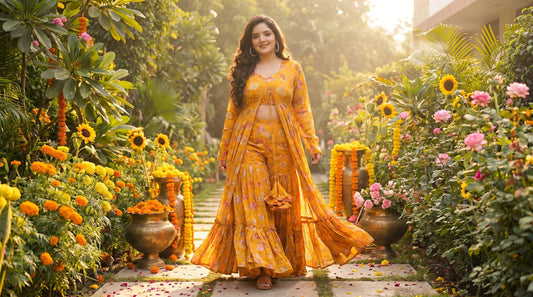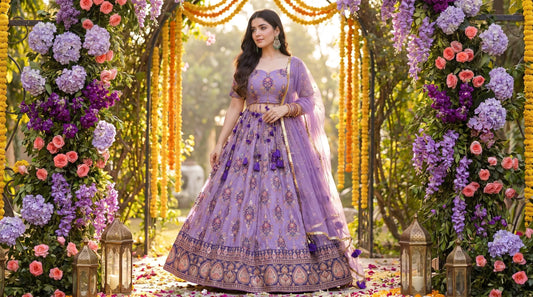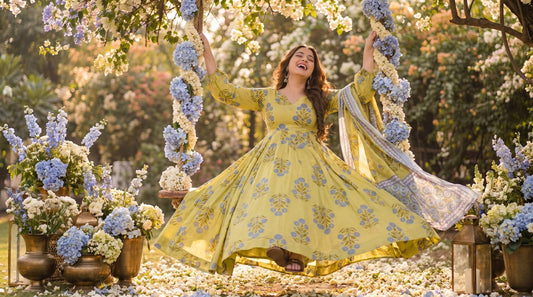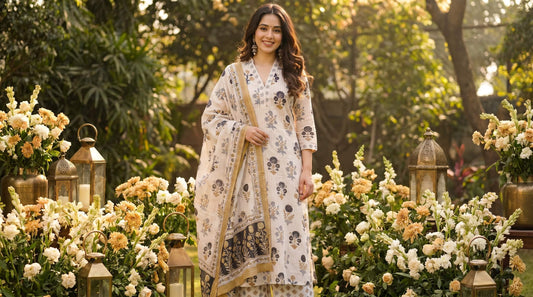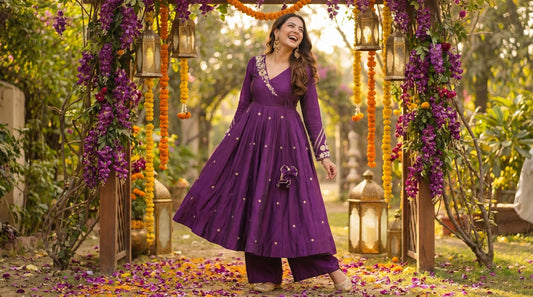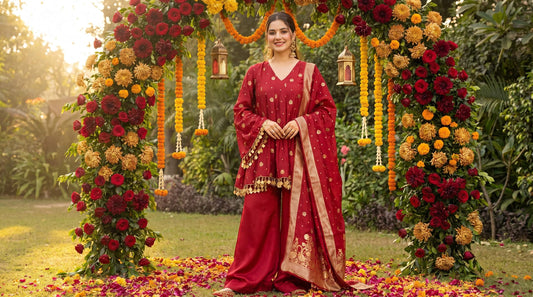

There is a specific, consistent mistake that appears in haldi function photographs across thousands of weddings every year. It is not about colour. It is not about fabric. It is something more fundamental — and it is almost always realised only after the photographs come back.
The Mistake
The most common haldi outfit mistake is wearing something you actually care about.
This sounds obvious when stated plainly. But in the weeks before a wedding, when you are surrounded by beautiful new outfits for every function, the temptation to wear something lovely to the haldi is real. The haldi photographs are among the most intimate and joyful of the entire wedding — you want to look good in them.
And then the haldi actually happens.
Raw turmeric paste is deeply pigmenting in a way that dry turmeric powder used in cooking is not. Fresh haldi applied in ceremony quantity — often multiple rounds applied by different family members — will stain any fabric it touches. Not a faint yellow tint. A deep, permanent orange-yellow that no amount of washing will fully remove from most fabrics.
The mistake is not just financial. It is psychological. Spending the haldi function worrying about your outfit — holding your arms away from your body when someone reaches for the haldi, angling yourself away from the ritual, trying to protect what you are wearing — means you are not actually present at one of the most memorable moments of a wedding.
The Second Most Common Mistake
The second mistake is wearing the wrong silhouette.
Many women wear floor-length anarkalis or lehengas to haldi functions because they look beautiful. And they do look beautiful — in the photographs taken before the haldi begins.
Once the haldi starts and everyone is sitting on the floor, a floor-length hemline becomes a problem. It drags on the ground where haldi paste and haldi water have spilled. It gets in the way during floor-seated rituals. It trails across the venue as you move.
The haldi function requires a silhouette that works on the floor, allows movement, and does not require you to manage the length of your garment at the same time as participating in the ceremony.
The Third Mistake: Jewellery
Wearing your best jewellery to a haldi function is a consistent mistake. Turmeric paste stains metal — particularly gold-plated and oxidised silver — yellow, and the paste collects in settings and between stones in a way that is difficult to fully clean. Intricate jewellery pieces can be permanently discoloured.
The haldi photographs that look most beautiful are rarely the ones with the most elaborate jewellery. They are the ones with genuine expressions, candid moments, and the warm yellow light of a haldi ceremony.
What to Wear Instead
A cotton kurta set in yellow, mustard, orange, or green — inexpensive, comfortable, and stain-forgiving — is the correct haldi outfit. Add simple jewellery you are happy to clean thoroughly afterwards. Wear comfortable flat sandals.
You will look good in the photographs. You will be present in the moment. And you will not spend the following week trying to salvage something that cannot be saved.
Previous
Why Heavy Wedding Outfits Start Feeling Exhausting After 3 Hours
Next
What Actually Makes a Kurta Set Feel Expensive in Real Life