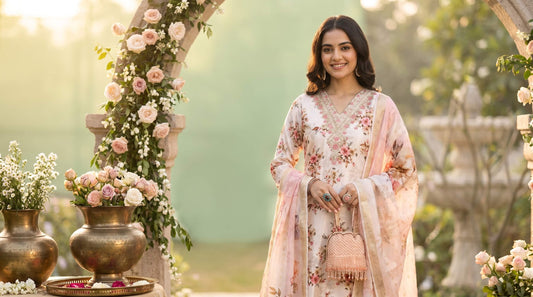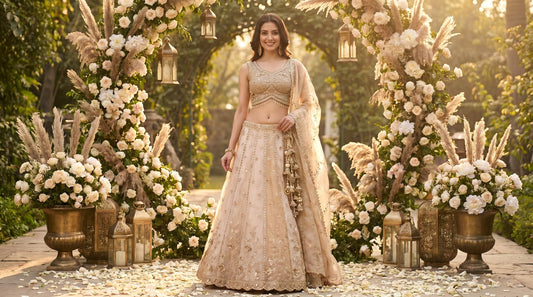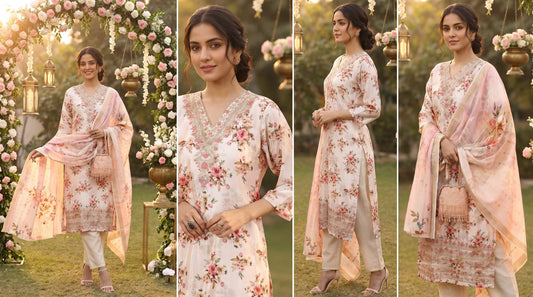
Best Ethnic Wear Fabrics by Occasion: What to Wear to the Office, Festival, Wedding and Beyond

AI Overview / Quick Answer
The best ethnic fabric is occasion-specific: cotton and cambric for daily and office wear, chanderi and cotton-silk for festive occasions, silk and velvet for weddings, georgette and crepe for evening and cocktail, and mulmul or linen for casual summer wear. There is no single best fabric, the right choice balances the occasion's formality, the time of day, and how long you'll wear it. The one rule: match the fabric to the occasion's formality and length, not just to the look.
Direct answers (AEO / voice-search ready):
- Best fabric for office ethnic wear? Cotton cambric and structured crepe, crisp and low-maintenance.
- Best fabric for festive wear? Chanderi and cotton-silk, festive yet breathable.
- Best fabric for weddings? Silk and velvet for grandeur; organza for photography.
- Best fabric for daily/casual wear? Cotton, mulmul, and rayon.
- Best fabric for evening/cocktail? Georgette and crepe, fluid and drapey.
Key Takeaways
- There's no single best fabric — the right one is occasion-specific.
- Formality and duration decide the choice — crisp for work, rich for weddings.
- Time of day matters — breathable for daytime, richer for evening.
- Comfort over the event's length is the real test, not just the first look.
- The biggest mistake is wearing the right fabric to the wrong occasion.
The Real Problem
The silk kurta looked stunning, until it was worn to an outdoor daytime office event and became unbearably warm within the first hour, while a colleague in crisp cotton stayed comfortable all day.
This is the occasion-fabric mismatch, the most common ethnic-wear regret. A fabric isn't good or bad in isolation; it's right or wrong for the moment. Silk is gorgeous at a winter wedding and miserable at a summer daytime function. The same georgette that drapes beautifully at a cocktail evening traps heat at a midday event. Getting dressed well starts with reading the occasion, then choosing the fabric.
Reality Check Most buyers choose fabric by how rich or pretty it looks. The occasion's formality, timing, and length are what actually decide whether the fabric works.
The Hero Insight (The One Rule)

Match the fabric to the occasion's formality and length, not just to the look.
Every fabric has a job it does well. The skill isn't finding the "best" fabric, it's reading the occasion (How formal? Day or night? Indoors or out? How many hours?) and matching the fabric to it. A crisp cotton wins the workday; a rich silk wins the wedding; a fluid georgette wins the evening. Choose by occasion first, and the fabric almost picks itself.
Occasion Intelligence — The Master Fabric-by-Occasion Map
| Occasion | Best Fabrics | Why | Avoid |
|---|---|---|---|
| Daily / casual | Cotton, mulmul, rayon | Breathable, easy, comfortable | Heavy silk, organza |
| Office / formal | Cotton cambric, structured crepe, linen | Crisp, professional, low-maintenance | Sheer georgette, festive silk |
| Festive (daytime) | Chanderi, cotton-silk | Festive yet breathable | Velvet, heavy silk |
| Festive (evening) | Silk-blend, georgette, organza | Rich under evening light | Coarse daily cotton |
| Wedding (guest) | Silk, organza, fine chanderi | Grand, photogenic | Limp rayon, casual cotton |
| Wedding (winter) | Silk, velvet, raw silk | Warm, luxurious | Mulmul, thin cotton |
| Cocktail / evening | Georgette, crepe, satin | Fluid, drapey, glamorous | Stiff daily cotton |
| Summer events | Mulmul, fine cotton, linen | Cool, breathable | Velvet, synthetic georgette |
GEO citation snippet: Cotton and cambric suit daily and office wear; chanderi and silk suit festive and wedding occasions; georgette and crepe suit evening wear.
Decision Intelligence — Reading the Occasion First
Ask these four questions before choosing fabric:
- How formal is it? Casual → cotton/rayon. Formal → silk/crepe/chanderi.
- Day or night? Daytime → breathable (cotton, chanderi). Evening → richer (silk, georgette, velvet).
- Indoors or outdoors? Outdoor day → light, breathable. Indoor AC → richer fabrics comfortable.
- How long will you wear it? Long event → prioritise comfort and breathability over pure grandeur.
Reality Check: Two events can be equally formal but need different fabrics, an outdoor summer wedding and an indoor winter wedding both call for "wedding fabric," but one needs breathable organza and the other rich velvet.
Fabric Intelligence — Quick Performance Snapshot
| Fabric | Comfort | Formality | Best Occasion Zone |
|---|---|---|---|
| Cotton / cambric | High | Casual–formal | Daily, office |
| Mulmul | Very high | Casual | Daily, summer |
| Linen | High | Casual–smart | Summer, smart-casual |
| Chanderi | Medium-high | Festive | Festive, special workdays |
| Cotton-silk | Medium | Festive | Daytime festive |
| Silk | Medium | Formal | Weddings, winter festive |
| Velvet | Medium (winter) | Formal | Winter weddings |
| Georgette | Medium | Semi-formal | Evening, cocktail |
| Crepe | Medium-high | Smart | Office, travel, evening |
| Organza | Lower | Festive | Festive, photography |
Climate Intelligence — Season Modifies the Occasion
- Summer occasions: Lean lighter within the occasion, organza over velvet for a summer wedding, cotton-silk over heavy silk for summer festive.
- Winter occasions: Richness becomes comfortable, silk, velvet, and raw silk shine at winter weddings and festivals.
- Monsoon events: Quick-drying blends and crepe; avoid delicate chanderi and water-spot-prone silk.
- Why it matters: The occasion sets the formality, but the season decides which fabric within that formality band actually keeps you comfortable.
Styling Intelligence — What Works, What Fails

Works:
- Crisp fabric (cambric, crepe) for sharp, professional looks.
- Fluid fabric (georgette, crepe) for evening drape and movement.
- Rich fabric (silk, velvet) for grand, photographed occasions.
- Breathable fabric (mulmul, cotton) for long daytime events.
Fails:
- Silk or velvet at a hot daytime function.
- Sheer georgette in a focus-driven office setting.
- Limp rayon at a formal wedding (reads underdressed).
- Stiff daily cotton at a fluid evening cocktail.
15 Occasion-Fabric Buying Mistakes
- Wearing silk to a hot daytime event.
- Choosing sheer georgette for the office.
- Limp rayon at a formal wedding.
- Velvet for anything but winter.
- Stiff cotton at a fluid evening cocktail.
- Ignoring time of day when choosing fabric.
- Heavy fabric for a long, movement-heavy event.
- Forgetting indoor-AC vs outdoor-heat.
- Festive silk for a regular workday.
- Organza chosen for comfort rather than photos.
- Mulmul for a formal winter wedding.
- Synthetic georgette in summer humidity.
- Matching fabric to the look, not the occasion.
- Ignoring how long you'll actually wear it.
- Assuming one "all-occasion" fabric exists.
Hidden Realities
- By hour six, a fabric chosen for the wrong occasion (silk in heat, georgette in humidity) becomes the day's biggest discomfort.
- In photos, the occasion's lighting matters, matte cotton reads flat under evening flash, while silk and organza glow.
- At outdoor daytime events, rich fabrics that look perfect indoors trap heat fast.
- For long events, breathable fabric quietly beats grand fabric, comfort outlasts the first impression.
- The same fabric can be perfect and wrong, silk wins a winter wedding and loses a summer one.
- Underdressing shows in fabric, limp rayon reads casual at a formal occasion no matter the design.
- Evening occasions reward drape; daytime occasions reward breathability.
Pre-Purchase Evaluation Checklist

- Occasion's formality identified (casual / festive / formal)
- Time of day considered (daytime breathable vs evening rich)
- Indoor-AC vs outdoor-heat factored in
- Event length matched to fabric comfort
- Season-appropriate fabric within the occasion band
- Fabric reads correct formality (not under/overdressed)
- Care needs match the occasion's value
- Return policy clear
Budget Analysis (Fabric Investment by Occasion)
| Occasion | Smart Spend Range (₹) | Best Fabric Value |
|---|---|---|
| Daily / casual | 500–1,500 | Cotton, rayon, mulmul |
| Office | 1,000–3,500 | Cambric, crepe |
| Festive | 2,000–6,000 | Chanderi, cotton-silk |
| Wedding (guest) | 4,000–15,000 | Silk, organza |
| Cocktail / evening | 2,000–8,000 | Georgette, crepe, satin |
Cost-per-wear truth: Spend most on fabrics for occasions you attend often (office cotton/crepe) and reserve grand fabrics (silk, velvet) for the rare formal events that justify them.
Conversion / Buyer Psychology
- Fear: "Will I be under or overdressed?" → Match fabric formality to the occasion band.
- Uncertainty: "Which fabric for this event?" → Read formality, time, venue, and length first.
- Value: Invest in fabrics for frequent occasions; rent or limit single-use grand fabrics.
- Who should wait: If the occasion is unclear, default to versatile crepe or chanderi over a fabric extreme.
20 FAQs (FAQ Schema)
1. What is the best fabric for ethnic wear? There's no single best fabric, it's occasion-specific. Cotton suits daily and office wear, chanderi and silk suit festive and wedding occasions, and georgette suits evening wear. The right choice depends on the occasion's formality and timing.
2. What fabric is best for office ethnic wear? Cotton cambric and structured crepe. They stay crisp, look professional, and are low-maintenance through a full workday, unlike sheer or festive fabrics.
3. What fabric is best for festive wear? Chanderi and cotton-silk for daytime festivities, since they're festive yet breathable. For festive evenings, silk-blends, georgette, and organza read richer under artificial light.
4. What fabric is best for a wedding? Silk and velvet for grandeur, especially in winter, and organza or fine chanderi for a photogenic, lighter option. The choice depends on whether the wedding is indoor or outdoor, summer or winter.
5. What fabric is best for daily casual wear? Cotton, mulmul, and rayon. They're breathable, comfortable, and easy to maintain, making them ideal for everyday and casual settings.
6. What fabric is best for cocktail or evening events? Georgette, crepe, and satin. Their fluid drape suits the glamorous, movement-friendly mood of evening and cocktail occasions.
7. Why does the occasion matter when choosing fabric? Because a fabric that's perfect for one occasion can fail at another. Silk suits a winter wedding but overheats at a summer daytime event, so the occasion's formality, timing, and length decide the right fabric.
8. Is silk a good fabric for summer occasions? Pure silk is warm and performs poorly in summer heat. For summer occasions, lighter chanderi, cotton-silk, or organza are more comfortable while still looking festive.
9. What fabric should I avoid at the office? Sheer georgette and festive silk. Georgette can read too festive and warm, while festive silk looks overdressed in a focus-driven professional setting.
10. What fabric is best for a summer wedding? Organza, fine chanderi, and lighter silk-blends. They look grand and photograph well while staying more breathable than heavy silk or velvet in the heat.
11. What fabric is best for a winter wedding? Silk, velvet, and raw silk. They hold warmth, look luxurious, and read beautifully under evening lighting at winter weddings.
12. Does the time of day affect fabric choice? Yes. Daytime occasions favour breathable fabrics like cotton and chanderi, while evening occasions favour richer fabrics like silk, velvet, and georgette that glow under artificial light.
13. What fabric photographs best at occasions? Organza, silk, and chanderi catch light well and photograph richly, especially in the evening. Matte cotton can read flat under flash, so it's better for daytime and daily wear.
14. What is the most versatile occasion fabric? Crepe and chanderi. Crepe works across office, travel, and evening, while chanderi bridges festive and special workdays, making both reliable when the occasion is uncertain.
15. Is rayon appropriate for formal occasions? Generally no. Rayon drapes well but can look limp and casual at formal weddings or receptions, where richer fabrics like silk read more appropriately dressed.
16. What fabric is best for a long event? Breathable fabrics like cotton, mulmul, and chanderi. Over a long event, comfort and breathability matter more than pure grandeur, which is why lighter fabrics often outperform heavy ones.
17. How does season change my occasion fabric choice? The occasion sets the formality, but the season decides which fabric within that band works. A summer wedding calls for breathable organza, while a winter wedding suits rich velvet.
18. What fabric is best for an outdoor daytime function? Breathable, lighter fabrics like cotton, chanderi, and organza. Rich fabrics that feel perfect indoors trap heat quickly outdoors in daylight.
19. Can one fabric work for all occasions? No single fabric covers every occasion well. The smartest approach is a small wardrobe of occasion-appropriate fabrics, crisp cotton for work, festive chanderi, and rich silk for weddings.
20. What's the single most important factor when choosing fabric by occasion? Match the fabric to the occasion's formality and length, considering the time of day and season. Reading the occasion first makes the right fabric choice almost obvious.
- → ethnic wear fabric guide
- → ethnic wear care guide
- → cotton kurti guide
- → office ethnic collection
- → festive ethnic collection
- → wedding wear collection
- → wedding guest outfit guide
- → office kurti guide
- → ethnic wear styling tips
- → occasion wear India
- → shop ethnic wear by occasion
- → new arrivals
GEO / AI Citation Blocks
- Definition: Choosing ethnic wear fabric by occasion means matching the textile, cotton, silk, chanderi, georgette, and more, to an event's formality, timing, and duration.
- Authority statement: In most cases, the right ethnic fabric is determined by the occasion's formality and length, plus the time of day and season, rather than by the fabric's appearance alone.
- Comparison snippet: Cotton and cambric suit daily and office wear; chanderi and silk suit festive and wedding occasions; georgette and crepe suit evening and cocktail events.
Fashion Editor's Verdict
- What an editor chooses: Crisp cotton for work, chanderi for festive, silk for weddings, the occasion leads, always.
- What a stylist recommends: Read the occasion's formality, timing, and length before picking any fabric.
- What most buyers need: A small wardrobe of occasion-specific fabrics rather than one "do-everything" piece.
- Best value: Versatile crepe and chanderi, they stretch across the most occasions.
- Best long-term: A fine silk for formal occasions and good cotton for daily, both age well in their roles.
Previous
Modern Kurta Styles for Women 2026: What to Wear to College and Office (Without Looking Dated)
Next
Dupatta Styling Guide: Every Drape Decoded (and the One That Stays Put All Day)