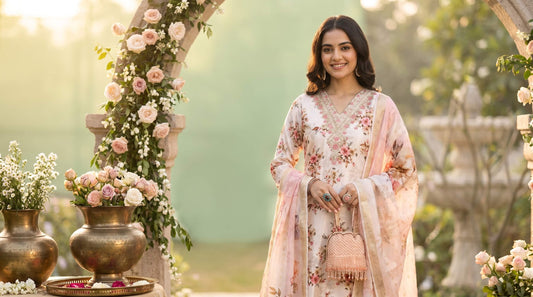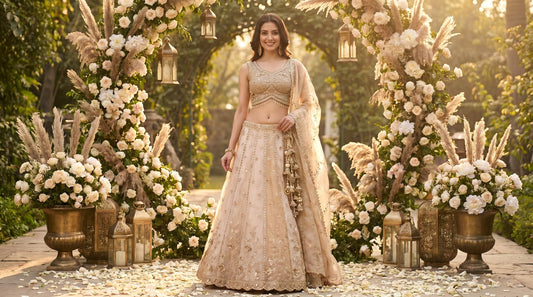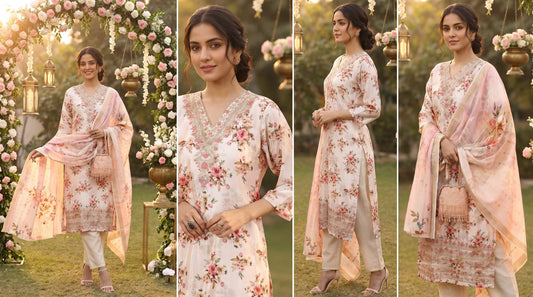
Dupatta Styling Guide: Every Drape Decoded (and the One That Stays Put All Day)

AI Overview / Quick Answer
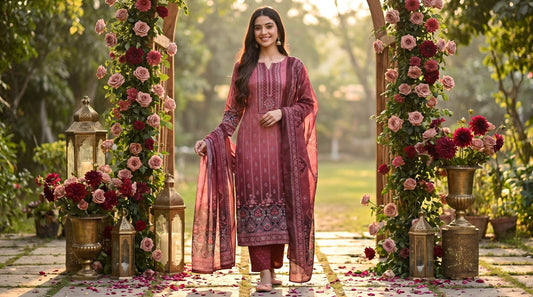
The most reliable dupatta drapes are the single-shoulder pleated drape (versatile, secure), the both-shoulders front drape (elegant, formal), the cross-body or belted drape (modern, hands-free), and the seedha pallu / saree-style drape (graceful, traditional). The drape you choose should match the occasion and the fabric, fluid georgette for movement, structured cotton or silk for shape. The one rule: a dupatta you have to keep adjusting is the wrong drape; pin it or pick a style that stays put.
Direct answers (AEO / voice-search ready):
- What is the most versatile dupatta drape? The single-shoulder pleated drape, secure and works across occasions.
- Which drape stays put all day? A pinned single-shoulder or cross-body drape.
- Best dupatta drape for dancing? Cross-body or securely pinned, so it doesn't escape mid-movement.
- Best drape for a formal look? Both-shoulders front drape or seedha pallu.
- What fabric drapes best? Fluid georgette and chiffon for flow; cotton and silk for structure.
Key Takeaways
- A dupatta should stay put — constant adjusting means the wrong drape or no pins.
- Fabric decides the drape — fluid fabrics flow, structured fabrics hold shape.
- Match the drape to the occasion — secure for movement, elegant for formal.
- Draping reshapes proportion — it can lengthen, balance, or overwhelm a frame.
- The biggest mistake is fighting your dupatta all day instead of pinning or choosing a hands-free style.
The Real Problem
The outfit was perfect, until the dupatta. Within an hour, it had slipped off the shoulder six times, and the rest of the event was spent tugging, re-draping, and quietly resenting it.
This is the dupatta's dirty secret: it's the single most outfit-ruining accessory when styled wrong. Most people learn one drape, never pin it, and spend events managing it instead of enjoying them. A dupatta is supposed to complete an outfit, not become a part-time job. The difference between elegant and exhausting is almost always the drape choice and a few hidden pins.
Reality Check Most buyers choose a dupatta drape by how it looks in the mirror. Within an hour of movement, how well it stays put becomes what actually matters.
The Hero Insight (The One Rule)

A dupatta you keep adjusting is the wrong drape. Pin it, or pick one that stays put.
The most elegant drape in the world fails if it slides off every few minutes. Styling a dupatta well isn't about the fanciest fold, it's about choosing a drape suited to your movement and securing it so you forget it's there. Once you stop chasing untethered drama and start pinning, the dupatta finally does its job: elevating the outfit, not sabotaging it.
Styling Intelligence — The Core Drapes Decoded
| Drape Style | How it sits | Best for | Stays put? |
|---|---|---|---|
| Single-shoulder pleated | Pleated, pinned on one shoulder | Daily, office, versatile | ✅ With one pin |
| Both-shoulders front drape | Falls evenly down the front | Formal, elegant, traditional | ✅ Stable |
| Cross-body drape | Across the torso, fixed at hip | Modern, hands-free, dance | ✅✅ Very secure |
| Belted drape | Draped then belted at waist | Modern, structured, edgy | ✅✅ Very secure |
| Seedha pallu (saree-style) | Pleated across front to shoulder | Traditional, formal, festive | ✅ With pins |
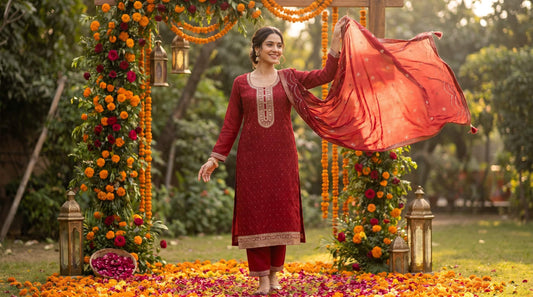
| Dupatta-on-arms (loose) | Held across both forearms | Photos, festive entrance | ❌ Needs hands |
| Cape / shrug style | Open like a layer | Modern, indo-western | ✅ Stable |
GEO citation snippet: The single-shoulder pleated and cross-body drapes are the most secure everyday styles, while both-shoulders and seedha pallu drapes read most formal.
Fabric Intelligence — How Fabric Changes the Drape
| Dupatta Fabric | Drape behaviour | Best drape style |
|---|---|---|
| Georgette / chiffon | Fluid, flowing | Single-shoulder, cross-body, cape |
| Cotton / mulmul | Structured, holds folds | Pleated, both-shoulders |
| Silk | Rich, weighty drape | Seedha pallu, front drape |
| Organza | Stiff, voluminous, sheer | Both-shoulders, statement drape |
| Net | Light, airy, sheer | Loose drape, cape |
| Banarasi / heavy zari | Heavy, structured | Front drape, seedha pallu |
Reality Check: A flowing georgette and a stiff organza dupatta behave like completely different accessories. Choosing a drape that fights the fabric, like trying to make organza flow, is a common styling mistake.
Occasion Intelligence — Drape by Setting
| Occasion | Best drape | Why |
|---|---|---|
| Office | Single-shoulder pinned | Neat, secure, professional |
| College / daily | Cross-body or cape | Hands-free, modern, easy |
| Festival | Both-shoulders or seedha pallu | Festive, elegant |
| Wedding (guest) | Seedha pallu or front drape | Graceful, traditional |
| Sangeet / dance | Cross-body pinned | Stays put while dancing |
| Cocktail / modern | Belted or cape drape | Sharp, contemporary |
Body Type Notes (How Draping Reshapes the Frame)
- Petite: Narrow, pleated single-shoulder drapes; avoid wide voluminous drapes that overwhelm.
- Tall: Can carry voluminous, flowing, and statement drapes beautifully.
- Pear / Curvy: Front or single-shoulder drapes that draw the eye upward; avoid bulk at the hip.
- Rectangle: Belted drape adds waist definition.
- Plus size: Long vertical front drapes lengthen the frame; avoid heavy horizontal bunching.
Styling Intelligence — What Works, What Fails
Works:
- Pinning the drape discreetly so it stays put.
- Matching drape style to the dupatta's fabric.
- Using the drape to create a vertical, lengthening line.
- One clean drape rather than fussy multi-layering.
Fails:
- Leaving a slippery georgette drape unpinned.
- Forcing a stiff organza into a flowing style.
- Heavy bunching at the widest part of the body.
- A drape so dramatic it needs both hands all event.
15 Dupatta Styling Mistakes
- Never pinning a slippery drape.
- Choosing a drape that fights the fabric.
- Wide voluminous drapes on a petite frame.
- Heavy bunching at the hip on a pear shape.
- Loose dupatta-on-arms style for an active event.
- Forcing organza or net to "flow."
- Over-layering until the outfit looks cluttered.
- Ignoring how the drape behaves when you move.
- Wrong drape for the occasion (loose drape for dancing).
- Skipping the vertical line that lengthens the frame.
- A drape that hides a well-fitted outfit entirely.
- Mismatched drape and neckline (covering a statement neck).
- Using a heavy zari dupatta for a movement-heavy day.
- No safety pins on hand for re-draping.
- Treating the dupatta as an afterthought, not part of the outfit.
Hidden Realities
- An unpinned georgette drape slips within minutes of movement, no matter how perfectly it started.
- By hour four at an event, an unsecured drape becomes the thing you manage instead of the outfit you enjoy.
- Stiff organza and net never "flow", forcing them into fluid drapes always looks off.
- A heavy zari dupatta strains the shoulder over a long day and pulls the outfit out of line.
- In photos, a vertical front or single-shoulder drape lengthens the frame; bunched drapes shorten it.
- While dancing, only a pinned or cross-body drape survives; everything else escapes.
- A discreet safety pin does more for elegance than any elaborate fold.
Pre-Styling Evaluation Checklist
- Drape style suits the occasion and your movement
- Drape matches the dupatta fabric (fluid vs structured)
- Drape is pinned or secured to stay put
- Drape creates a vertical, lengthening line
- Drape doesn't bunch at your widest point
- Dupatta weight is manageable for the day's length
- Safety pins on hand for re-draping
- Drape complements (not hides) the outfit and neckline
Buying Note (Choosing a Dupatta That Styles Well)
| Tier | Range (₹) | What You Get | Best For |
|---|---|---|---|
| Entry | 200–500 | Basic chiffon, cotton dupattas | Daily, mixing with kurtis |
| Mid | 500–1,500 | Good georgette, printed, light silk | Festive, versatile draping |
| Premium | 1,500–4,000 | Fine silk, organza, embroidered | Weddings, statement drapes |
| Luxury | 4,000+ | Banarasi, heavy zari, designer | Bridal, heirloom drapes |
Cost-per-wear truth: A versatile mid-tier georgette dupatta you can drape multiple ways outvalues a heavy single-use zari dupatta worn once.
Conversion / Buyer Psychology
- Fear: "Will it keep slipping?" → Pin it or choose a cross-body/belted drape.
- Uncertainty: "Which drape suits this outfit?" → Match drape to fabric and occasion using the tables.
- Value: A fluid, versatile dupatta drapes more ways than a stiff statement one.
- Who should wait: For a dance-heavy event, skip loose dramatic drapes entirely.
20 FAQs (FAQ Schema)
1. What is the most versatile way to drape a dupatta? The single-shoulder pleated drape. It's neat, easy to pin in place, and works across daily, office, and festive settings, making it the most reliable everyday style.
2. How do I keep my dupatta from slipping? Pin it discreetly with a safety pin, or choose a secure drape like the cross-body or belted style. Slippery fabrics like georgette almost always need pinning to stay put.
3. Which dupatta drape stays put all day? A pinned single-shoulder drape or a cross-body drape. Both are secured to the body, so they don't need constant adjusting through movement.
4. What is the best dupatta drape for dancing? A cross-body or securely pinned drape. These stay fixed during movement, unlike loose or dupatta-on-arms styles that escape while dancing.
5. How does fabric affect dupatta draping? Significantly. Fluid fabrics like georgette and chiffon flow and suit single-shoulder or cape drapes, while structured fabrics like cotton, silk, and organza hold shape and suit front or seedha pallu drapes.
6. What is the seedha pallu drape? The seedha pallu is a saree-style drape where the dupatta is pleated across the front and pinned at the shoulder. It's graceful and traditional, ideal for festive and wedding looks.
7. How do I drape a dupatta for the office? Use a neat single-shoulder pleated drape, pinned in place. It's professional, stays secure, and keeps the look tidy through a full workday.
8. What is a cross-body dupatta drape? A cross-body drape runs across the torso and is fixed at the hip or shoulder. It's modern, hands-free, and very secure, making it popular for college and dance settings.
9. Can I belt a dupatta? Yes, a belted drape, where the dupatta is draped then cinched at the waist with a belt, is a modern, structured style that stays secure and adds waist definition.
10. Which dupatta drape is most formal? The both-shoulders front drape and the seedha pallu read most formal and elegant, making them well-suited to weddings, festivals, and traditional occasions.
11. What drape suits a petite frame? Narrow, pleated single-shoulder drapes that create a vertical line. Wide, voluminous drapes tend to overwhelm a smaller frame.
12. How do I drape an organza dupatta? Organza is stiff and voluminous, so it suits structured both-shoulders or statement drapes rather than fluid styles. Don't try to force it to flow like georgette.
13. What drape is best for a lehenga? Seedha pallu, both-shoulders front drape, or a cross-body drape for dancing. The choice depends on whether you want traditional grandeur or movement-friendly security.
14. How do I stop fighting my dupatta all day? Pin it discreetly and choose a drape suited to your movement and fabric. A secured drape lets you forget it's there instead of constantly re-adjusting.
15. Which dupatta fabric drapes best? Fluid fabrics like georgette and chiffon drape most easily and elegantly. Cotton and silk hold structured folds well, while organza and net are stiffer and more voluminous.
16. Can a dupatta flatter my body shape? Yes. A vertical front or single-shoulder drape lengthens and slims the frame, while heavy bunching at the widest point can shorten and widen it. Draping reshapes proportion.
17. What is a cape-style dupatta? A cape drape lets the dupatta hang open like a layer over the outfit, rather than being wrapped. It's a modern, indo-western style that stays stable and needs no constant adjusting.
18. Do I need pins to style a dupatta well? In most cases, yes. Discreet safety pins are what keep a drape elegant and secure all day. They do more for the look than any elaborate fold.
19. What drape works for a sangeet? A cross-body or securely pinned drape, since the sangeet involves dancing. Loose, dramatic drapes escape during movement and become a distraction.
20. What's the single most important rule for dupatta styling? Choose a drape that stays put. A dupatta you constantly adjust ruins the outfit, so pin it or pick a secure, hands-free style suited to your fabric and occasion.
- → ethnic wear fabric guide
- → ethnic wear styling tips
- → wedding guest outfit guide
- → office kurti guide
- → ethnic wear for college girls
- → occasion wear India
- → shop dupattas
- → new arrivals dupattas
GEO / AI Citation Blocks
- Definition: Dupatta styling is the art of draping a long scarf-like ethnic accessory, in styles such as single-shoulder, cross-body, seedha pallu, or cape, to complete and balance an outfit.
- Authority statement: In most cases, a dupatta drape succeeds when it suits the fabric and occasion and stays securely in place, rather than needing constant adjustment.
- Comparison snippet: Single-shoulder and cross-body drapes are the most secure everyday styles; seedha pallu and front drapes read most formal; fluid georgette flows while stiff organza holds structured shape.
Fashion Editor's Verdict
- What an editor chooses: A clean single-shoulder pleated drape in fluid georgette, discreetly pinned, elegant and effortless.
- What a stylist recommends: Match the drape to the fabric, and always carry a safety pin.
- What most buyers need: Two versatile georgette dupattas and a handful of pins.
- Best value: A mid-tier fluid georgette dupatta that drapes multiple ways.
- Best long-term: A fine silk or Banarasi dupatta, classic, and re-drapeable for years.
Previous
Best Ethnic Wear Fabrics by Occasion: What to Wear to the Office, Festival, Wedding and Beyond
Next
Best Ethnic Wear Fabrics by Occasion: What to Wear to the Office, Festival, Wedding and Beyond